Why a Magazine, Why Now
The change I saw in Hong Kong, and the quiet change underway in rural Japan. Why I left finance, came to Higashikawa, and am making a magazine now.
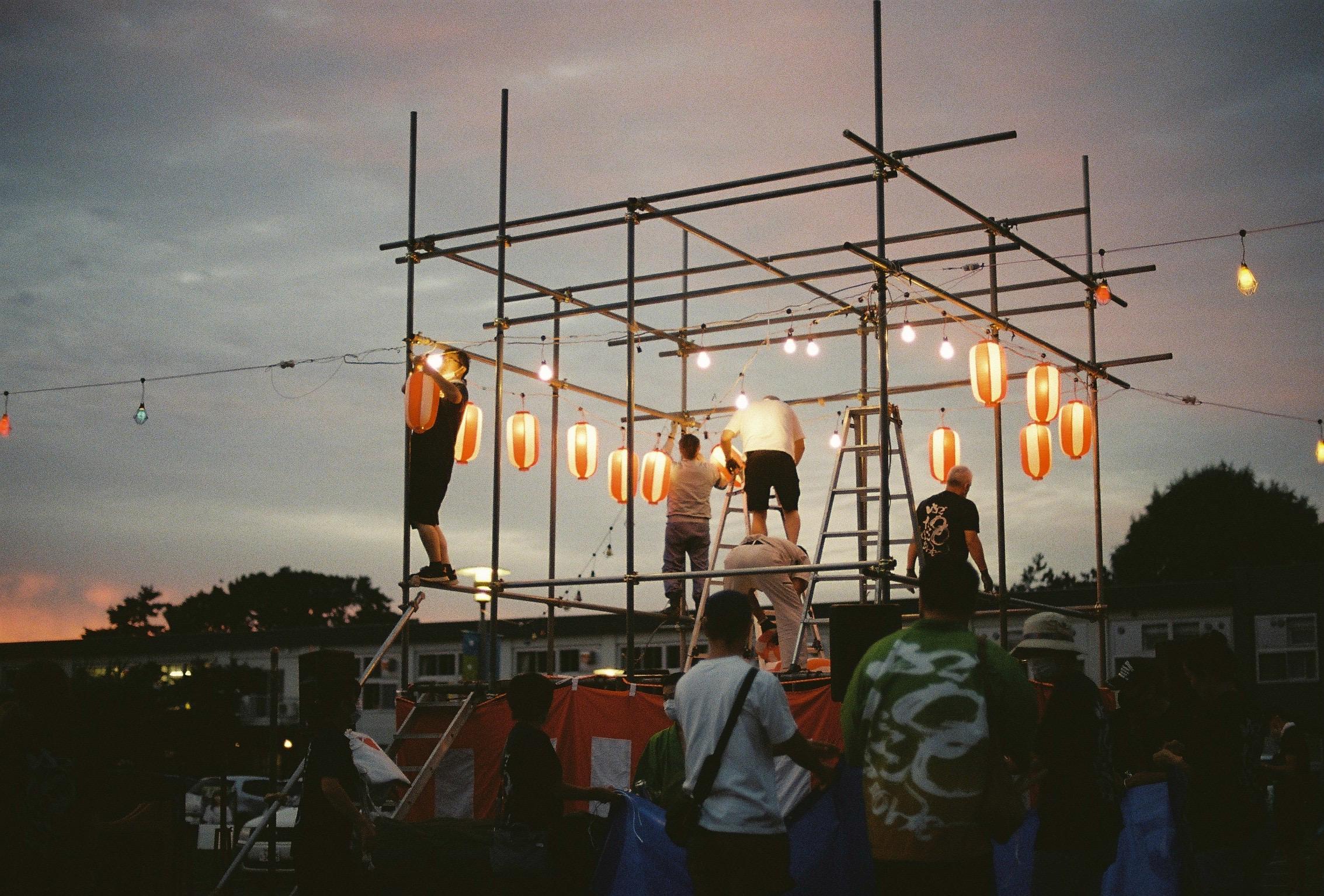
In early summer 2020, I was in a hotel room in Hong Kong.
I had moved right after Japan lifted its state of emergency, and what awaited me was two weeks of quarantine. A GPS tracker was strapped to my wrist, and I couldn't take a single step outside the room.
The only Hong Kong I could feel was the protesters I glimpsed through the small window of that cramped room.
The day after quarantine ended and I could finally go out, the city had changed completely.
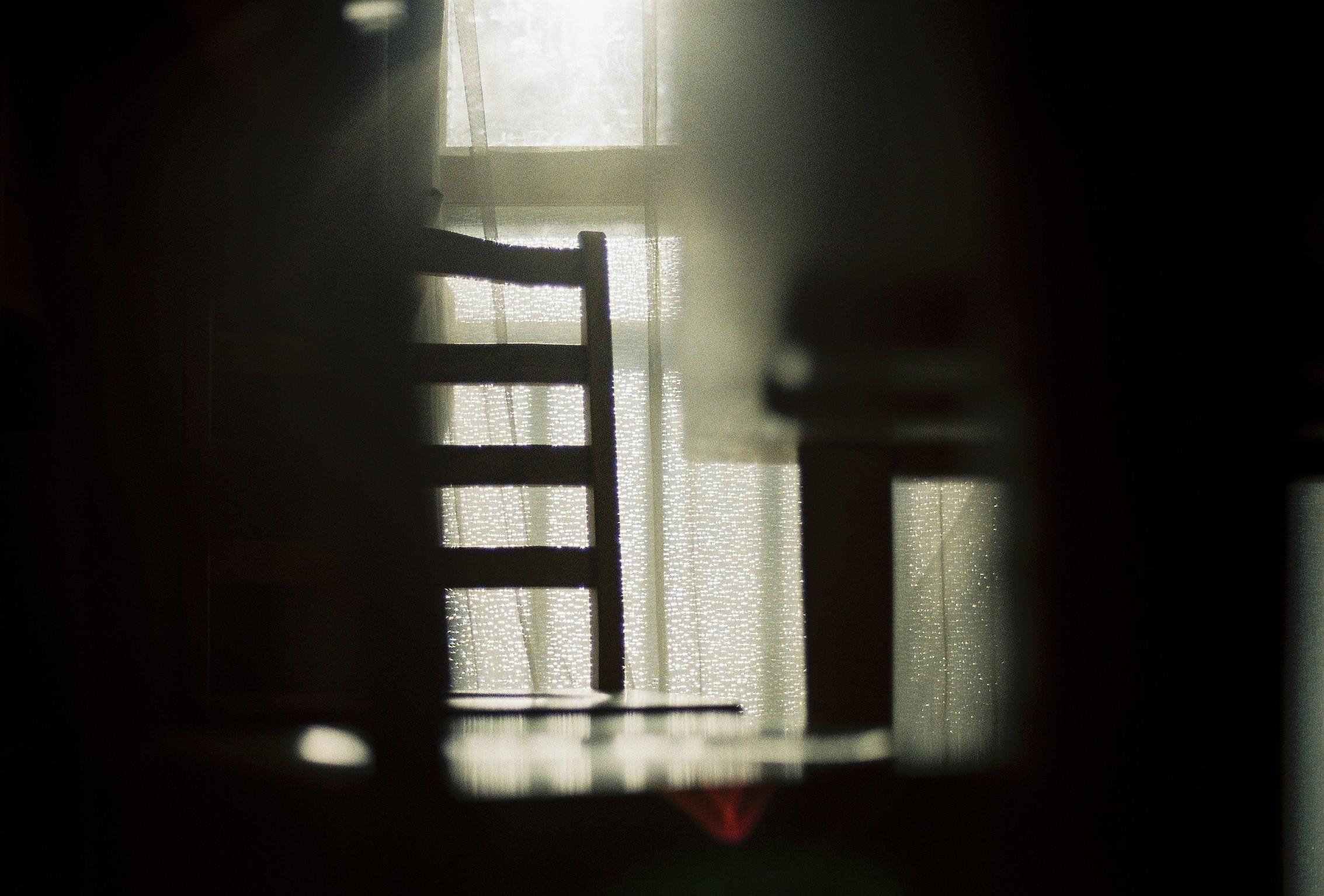
The people who had protested almost daily had vanished. Filling the streets instead were police officers advancing in formation. Water cannon trucks rolling forward with sirens wailing, spraying water laced with tear agent. Gun barrels aimed at people who still kept raising their voices.
As I walked the city looking for a new home, the smell of pepper spray drifted my way too. The streets rang with the screams of journalists who had been sprayed. When it got in your eyes, the stinging pain made it impossible to keep them open.
I was simply overwhelmed by how quickly the scene kept changing.
Among it all were people trying to protect their own language, culture and way of life with their own hands. Standing in the street with guns pointed at them, they kept raising their voices. That image of people desperately defending their identity stays with me still.

And what about Japan?
Walk through rural Japan and you find shopping streets with their shutters down. Workshops with no one to take them over. Festivals that can no longer continue because no one is left to carry them. Fewer and fewer people speak the local dialect. In some regions, land that became cheap was bought up in bulk, and what were once a town's prime spots slipped out of local hands.
Hong Kong's change came visibly, from one day to the next. What's happening in Japan's regions is different. Without our noticing, yet surely, things are growing thinner.
The slower a change, the harder it is to feel as a crisis. That's exactly why I think someone needs to keep consciously raising their voice.
What I saw in Hong Kong kept overlapping with the face of rural Japan. Carrying that unease in my chest, I began my finance job in Hong Kong.
On my screen were company names and numbers. Things someone had spent years nurturing, measured and judged by numbers — though I barely knew the faces of the people behind those numbers.
Staring at the screen, I often thought back to rural Japan. If a small regional workshop appeared on this screen, how would I rate it? Revenue trends, profit margins, outlook. The care of the people working there would show up nowhere. I might well have judged, without hesitation, that a shrinking market had no future.
Japan has countless small companies passed over on the numbers alone.
It's true the market may keep shrinking. Towns, too, may be heading toward disappearing. Back then I saw companies only through the single yardstick of numbers. I didn't even believe a miracle could happen there.
But is there really no possibility?
I wanted to see for myself.
I pushed to take time off work and traveled across Japan, from Kumejima in the south to Higashikawa in Hokkaido in the north. I saw villages where human presence was fading, and towns that were still lively.
The difference between towns showed in the posture of the people walking them, in how high they held their gaze. I would later learn the reason for that height.
In Higashikawa, where my journey ended, there were many people who had come back wanting to make their hometown stronger. The master of an izakaya in the middle of town is one of them.
While I stayed in Higashikawa, I went to see him about three days a week.
He always spoke with confidence. What's good and what isn't. What's cool and what isn't. He had his own yardstick. Not borrowing anyone else's judgment, he looked at this town with his own eyes and thought it was cool. Pride in the town seeped through every word. When the talk turned to culture, its depth amazed me too.
I felt I finally understood why the people walking this town held their gaze so high. Before I knew it, I was being drawn into his words.
I wanted to become a player in this town too. Not on the side of evaluating, but jumping in and sharing the appeal of rural Japan. In 2022, I quit finance.
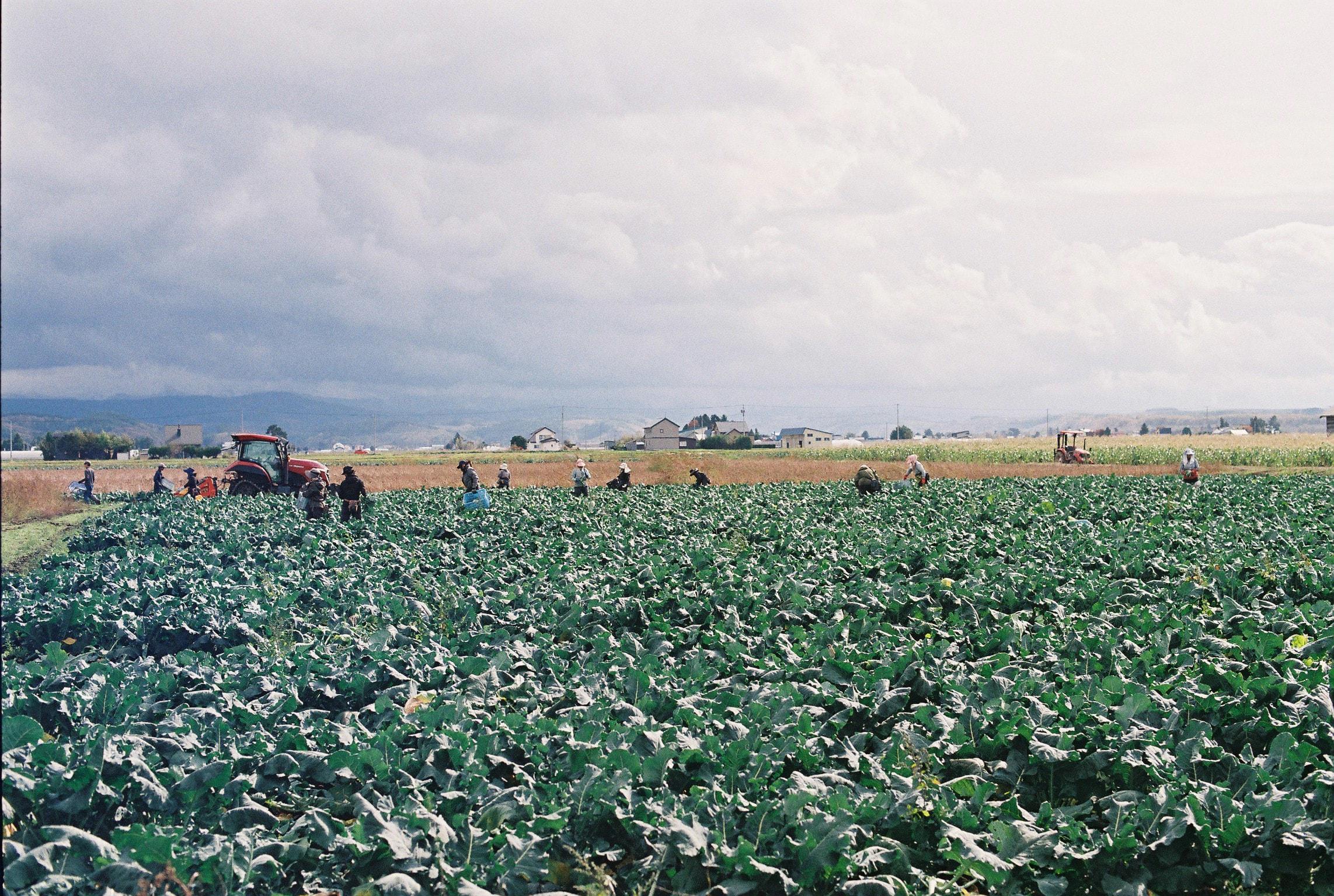
Higashikawa is often called one of the more vibrant towns in rural Japan. But what outsiders talk about are the visible results. I think what keeps the townspeople's gaze high is the everyday work that has gone on beneath their feet.
I want to shine a spotlight on this land's work and daily life. I want more people to know the value of those who keep doing careful work here. And I want those who learn of it to join in supporting this land, each in their own way.
What if the work of people in the regions were lit up once again? What if more people realized that life in the regions is valuable to their own lives?
That would be a great hope for this country's future.
But there's no single answer to how to get there, and it's not one I can find alone. I think all we can do is keep asking again, every time the seasons turn, with the people who live here, those who visit, and those who care about this town from afar.
Not as posts that flow past, but as pages that accumulate season by season. To keep thinking about it together, a quarterly magazine was the right form.
ensembles Magazine, Editor & Publisher, Daiki Naruo