Skip to content
ensembles
Higashikawa
HOKKAIDO — Hokkaido Higashikawa
01 — What's it like?

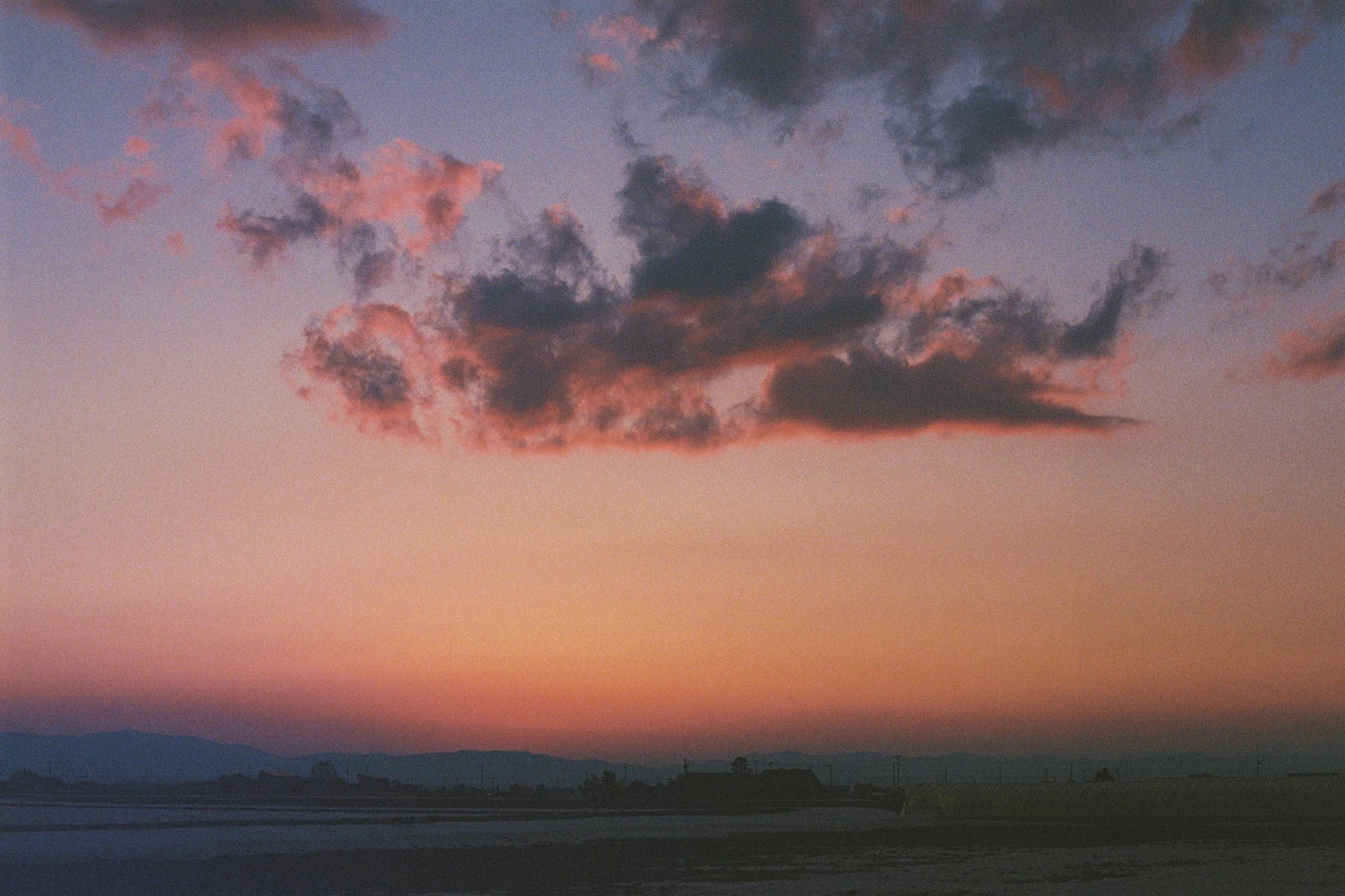
A town with no public water supply, living on the snowmelt of Daisetsuzan.

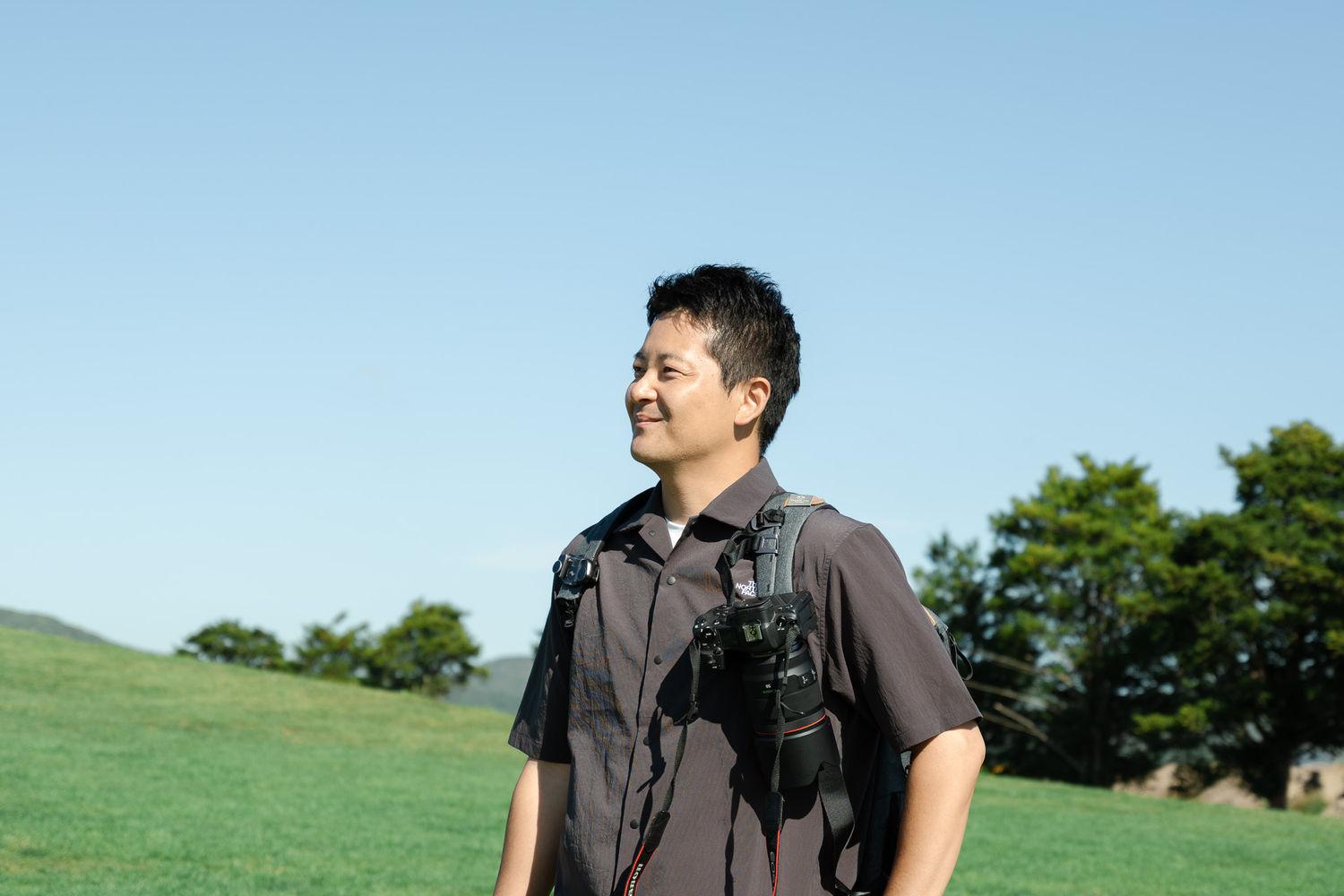
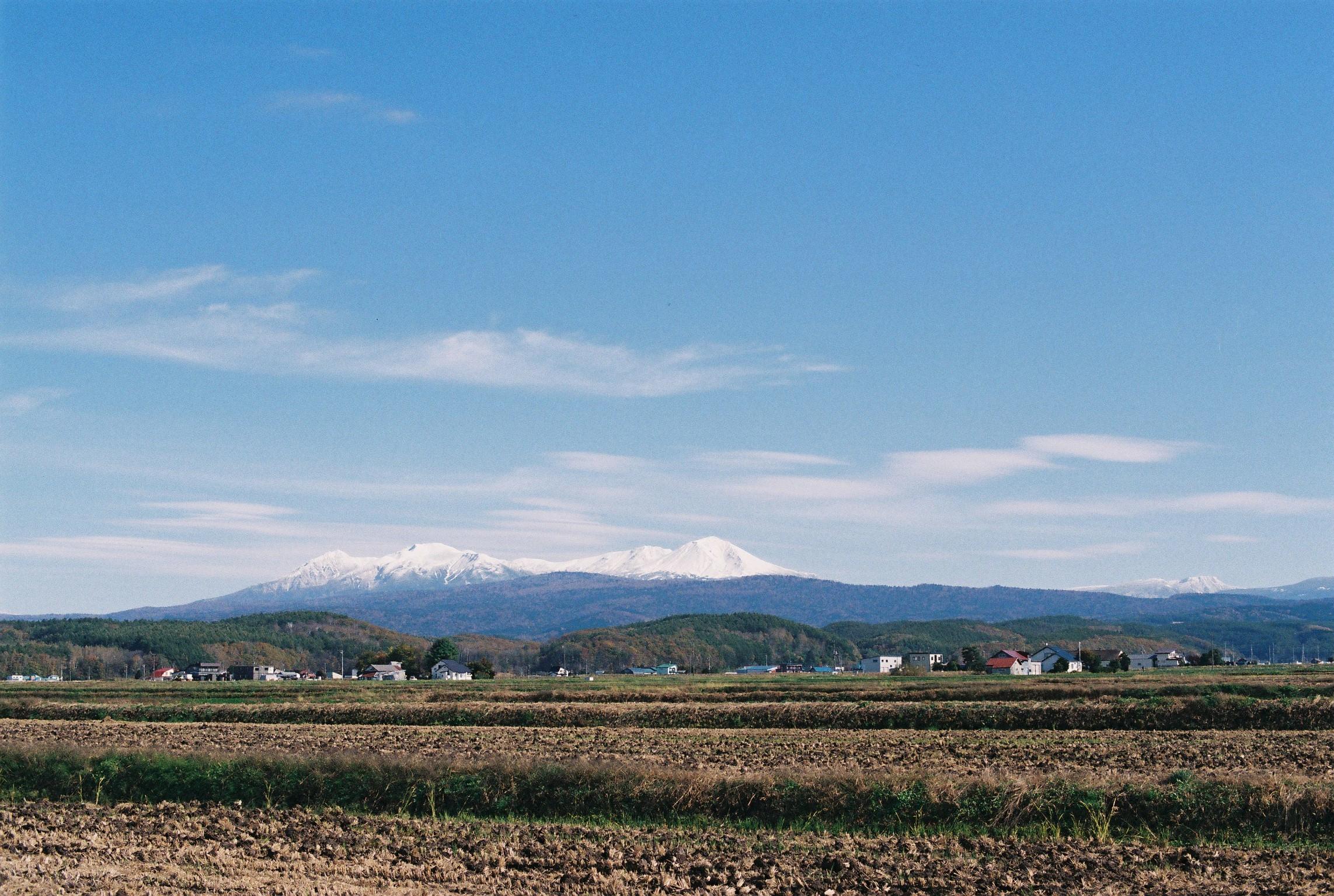
At the foot of Daisetsuzan National Park, with about 8,600 residents. The water from the tap at home is groundwater that wells up from the mountain. The town has woodworking and furniture workshops, a culture as a town of photography, and a life in which newcomers and locals mix. It is the first town where ensembles began.
AREAHokkaido · Hokkaido
A good fit if you…
I want quiet, and time to do nothingAbout 8,600 residents. At night, only stars and the sound of the river.
I love handcraft, such as furniture and woodworkWorkshops are scattered through the town, and you can talk with the makers.
I want to place myself in the mountains and snowAbout 40 minutes by car to Asahidake. Climbing in summer, powder in winter.
I am thinking about relocating or a workationWith many newcomers, it is easy to connect with townspeople.
THE BASICSEvery town compared on the same four points
From TokyoAbout 2LengthHaneda → Asahikawa Airport about 1 hour 40 minutes, then 10 minutes by car from the airport
Getting aroundCarA rental car is recommended. Bicycles work around town too
Suggested stay2 nights〜3 nights for both the workshops and the mountains
Town size8,600PeopleA small town with many newcomers
02HighlightsWhat can you do? — Together with local people
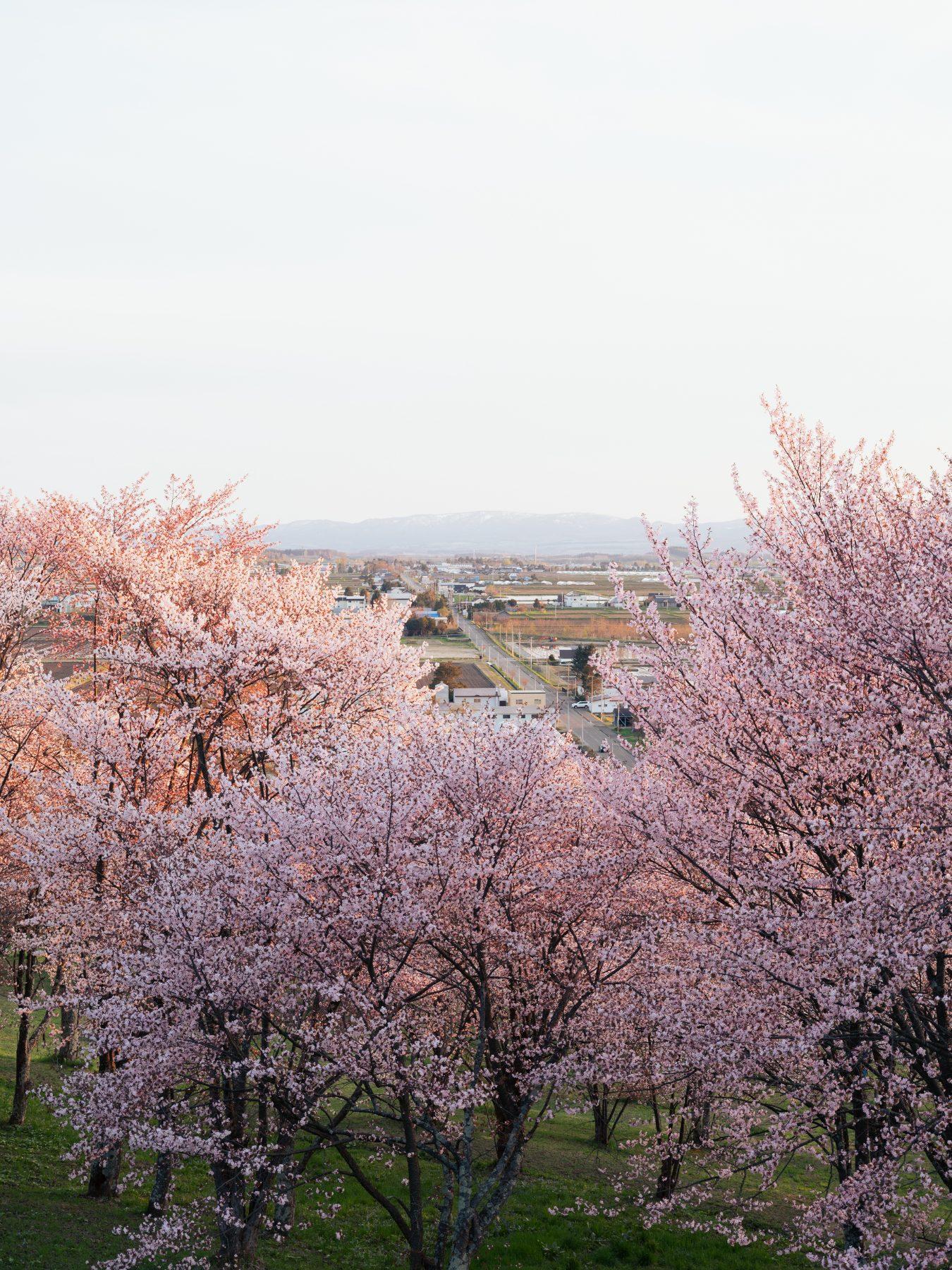
01Spring · April–May
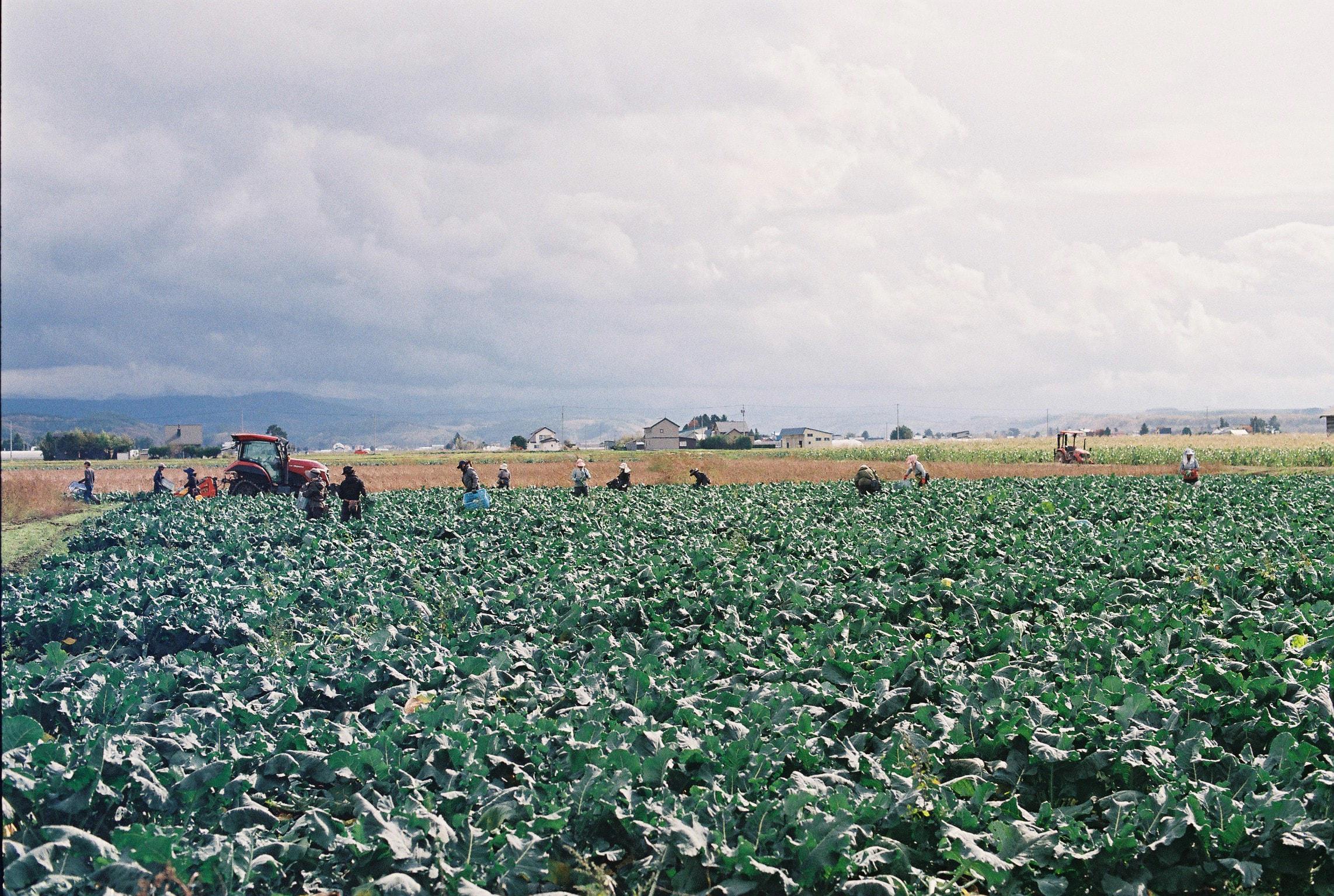
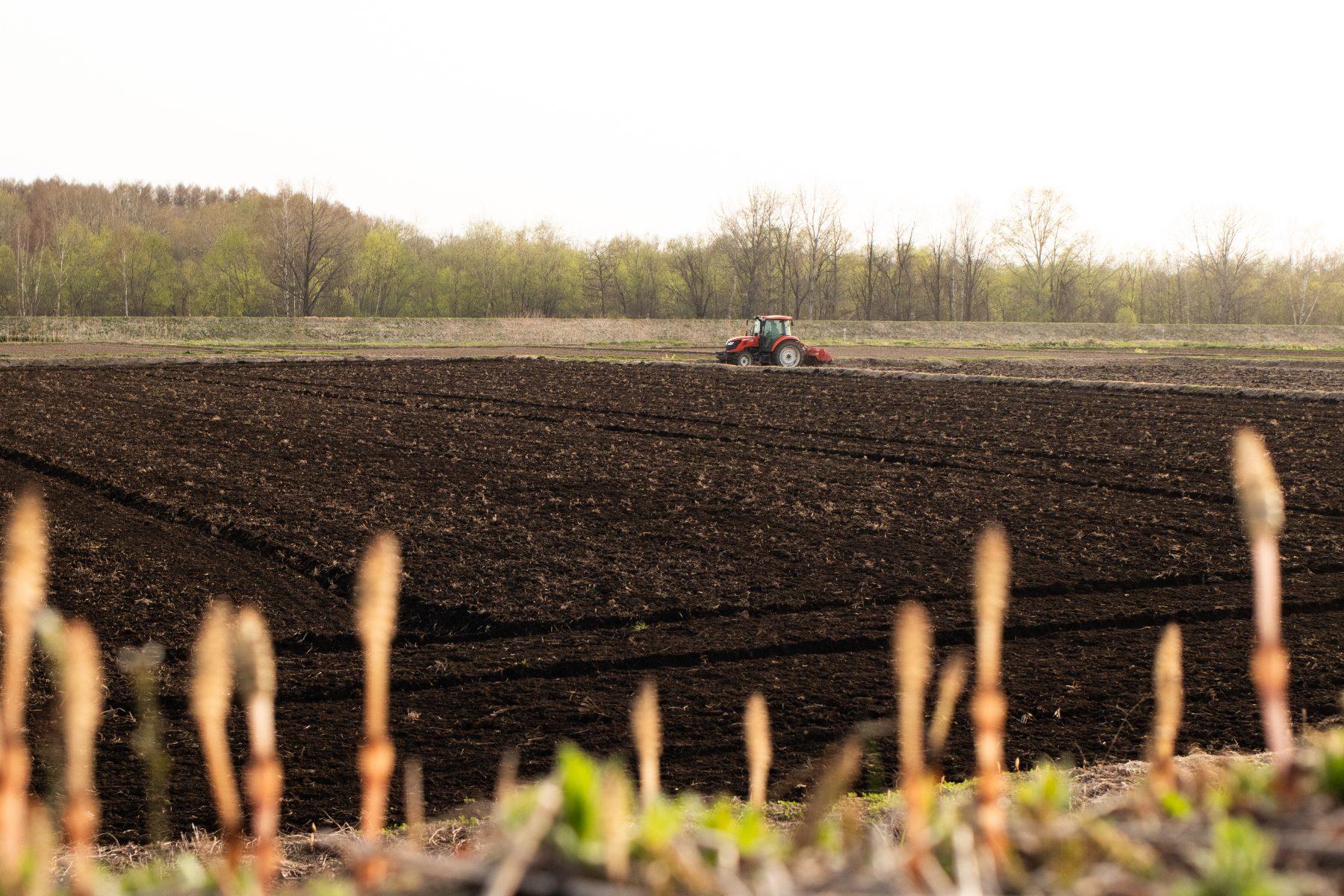
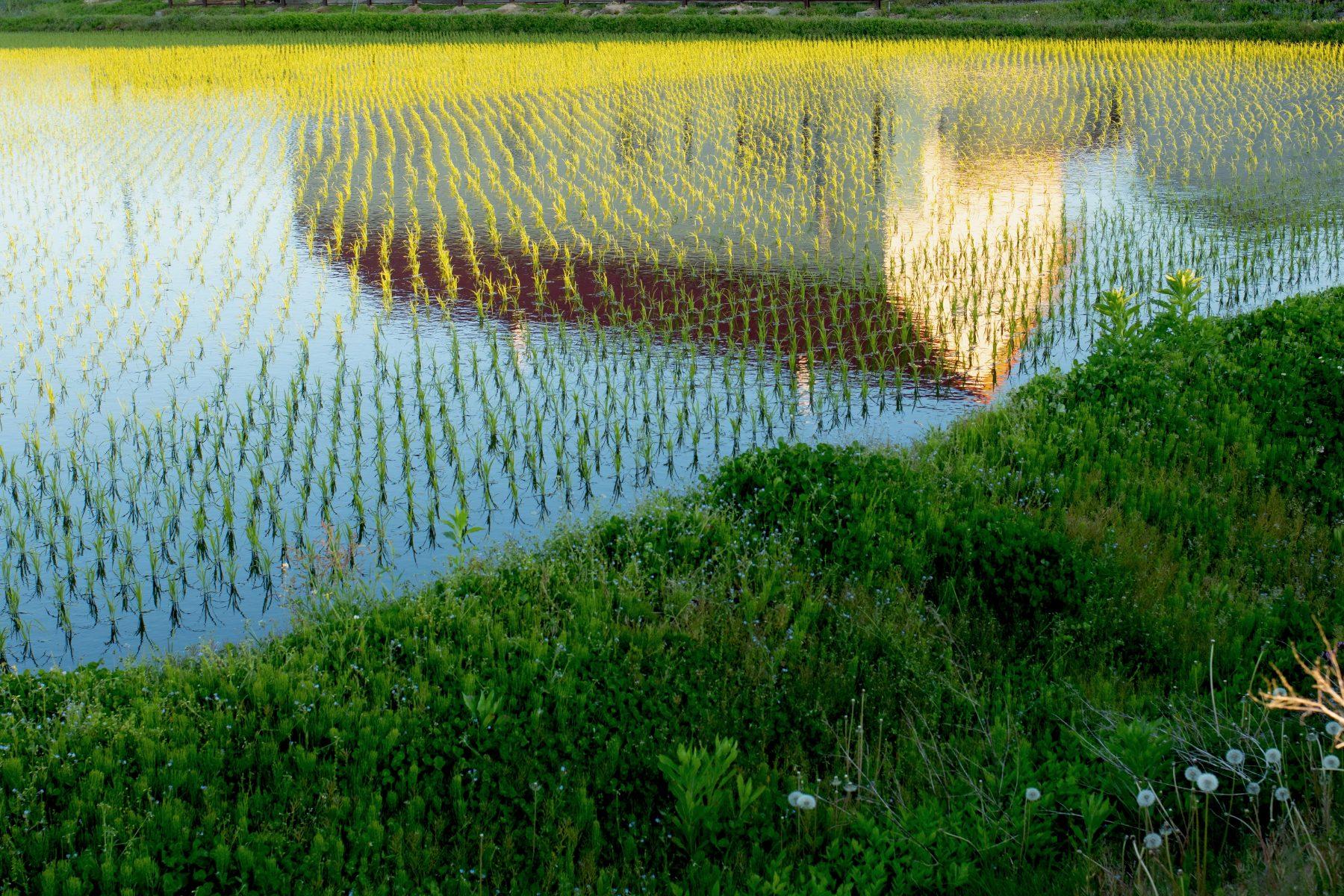
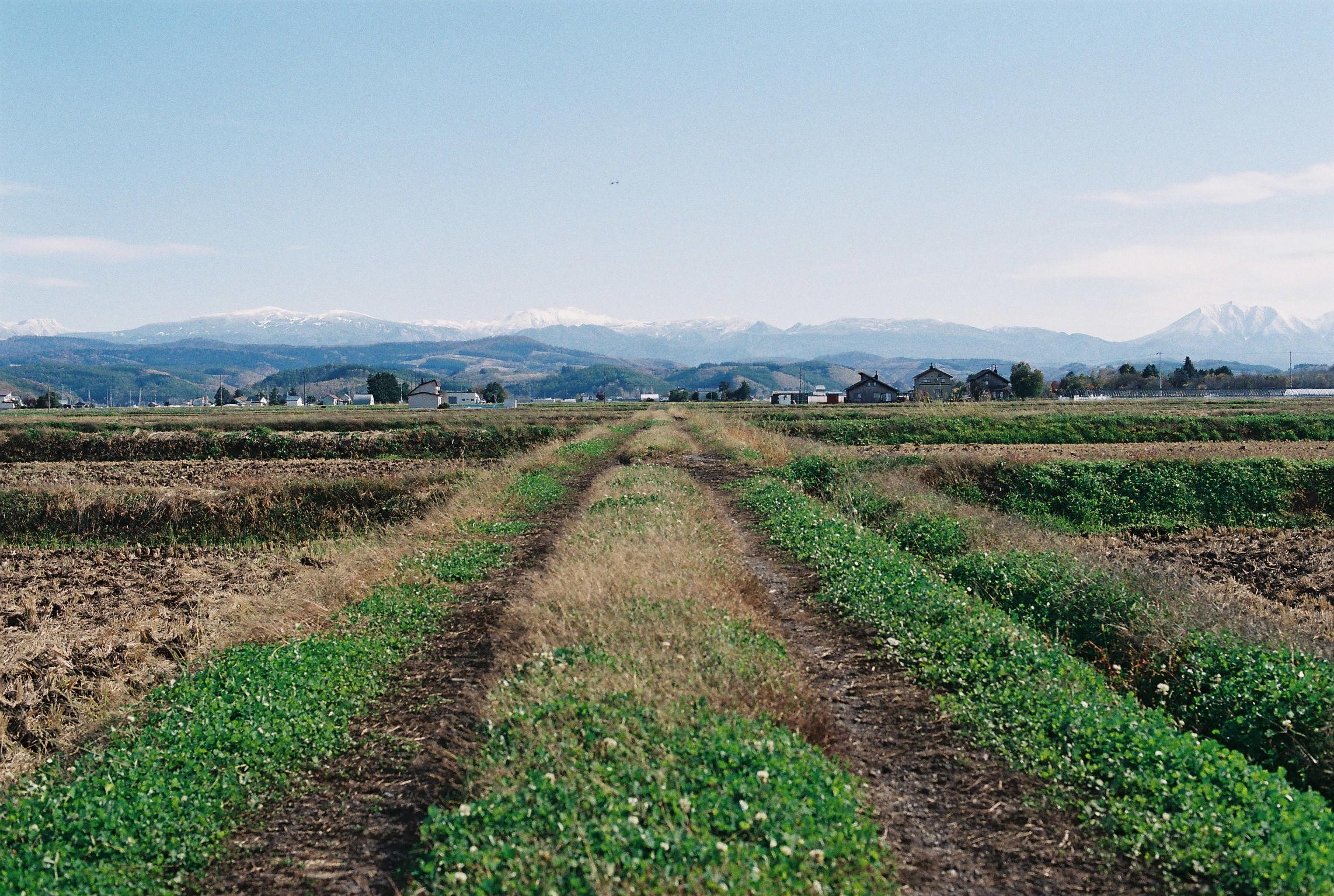
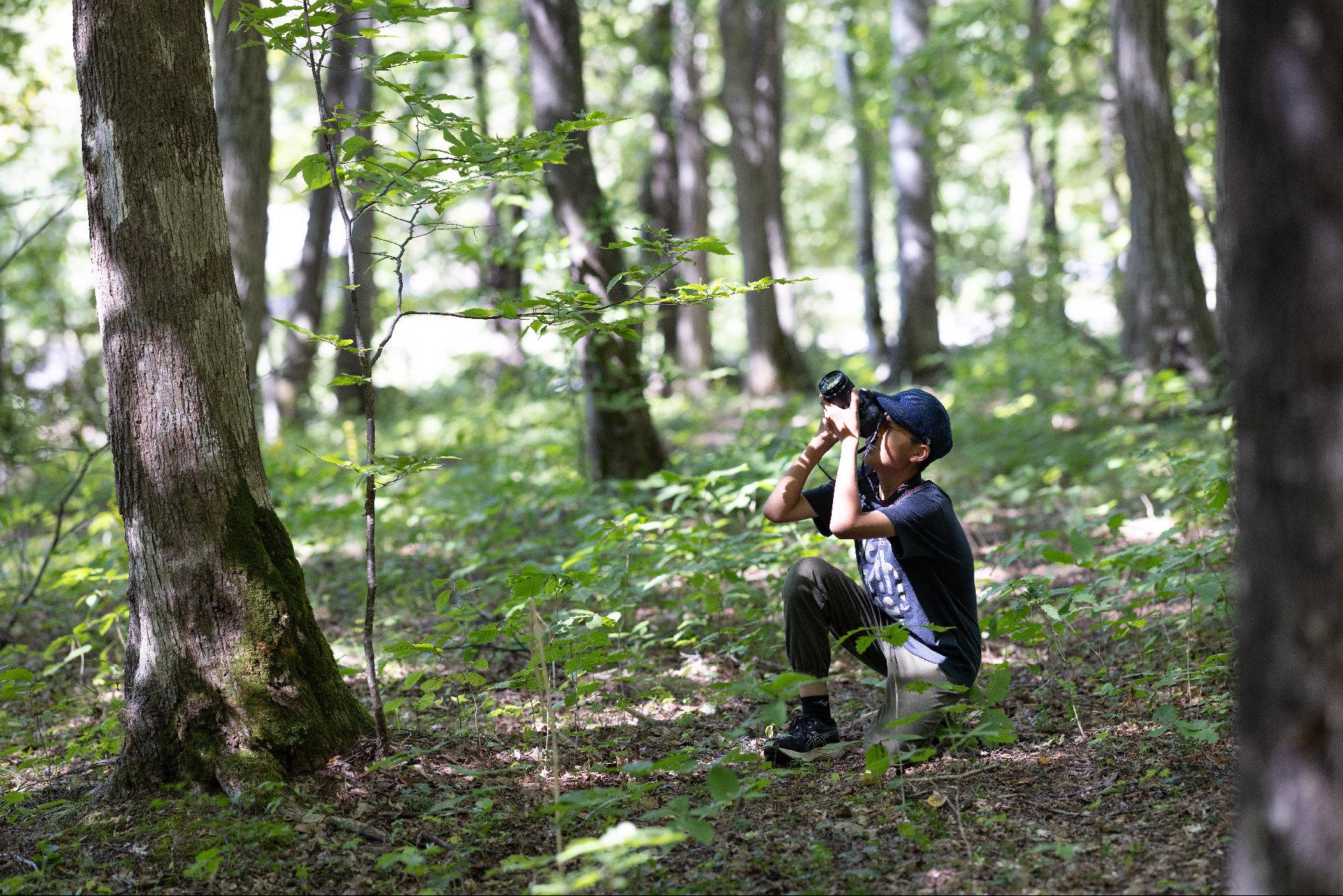
Photograph the rice fields at snowmelt

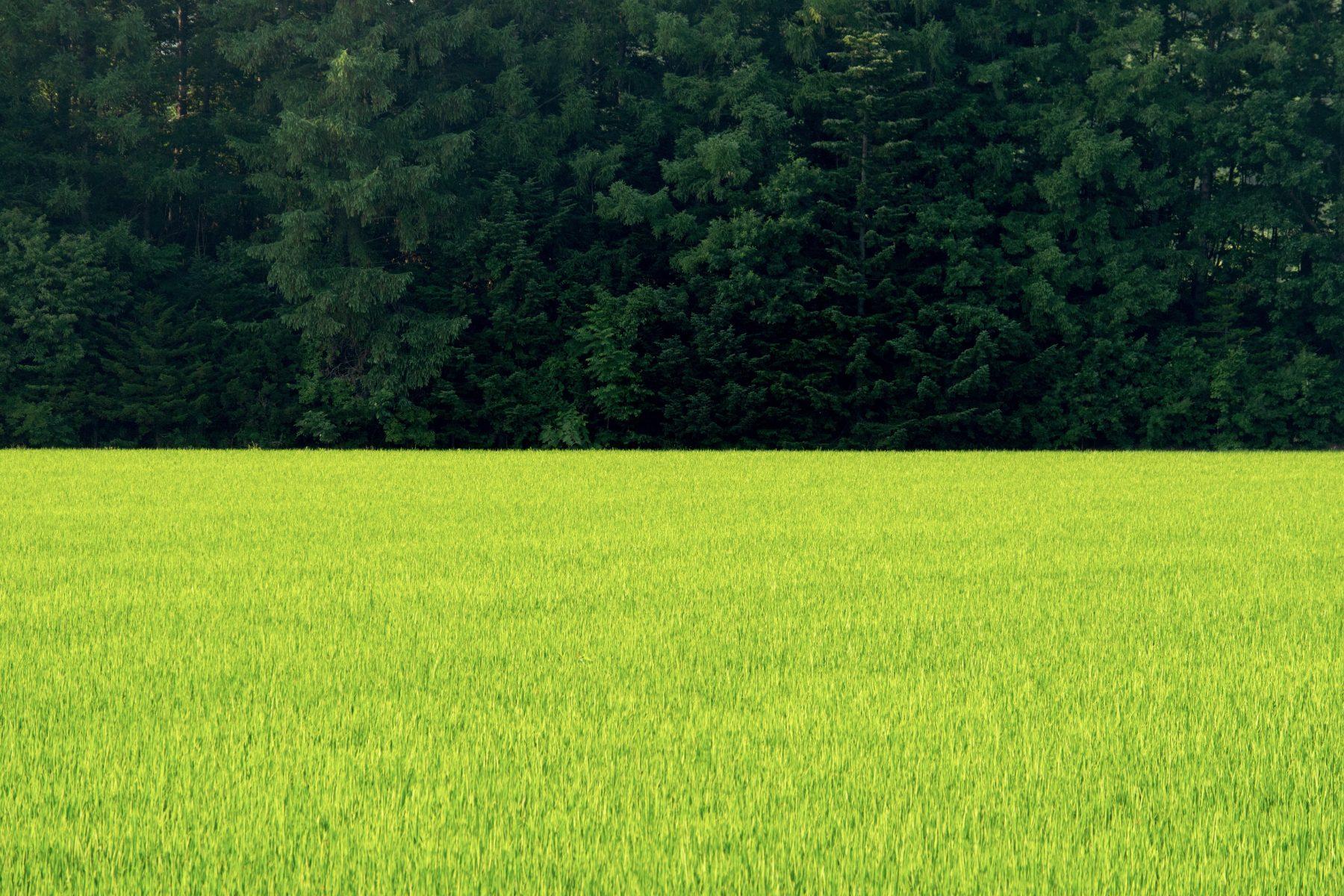
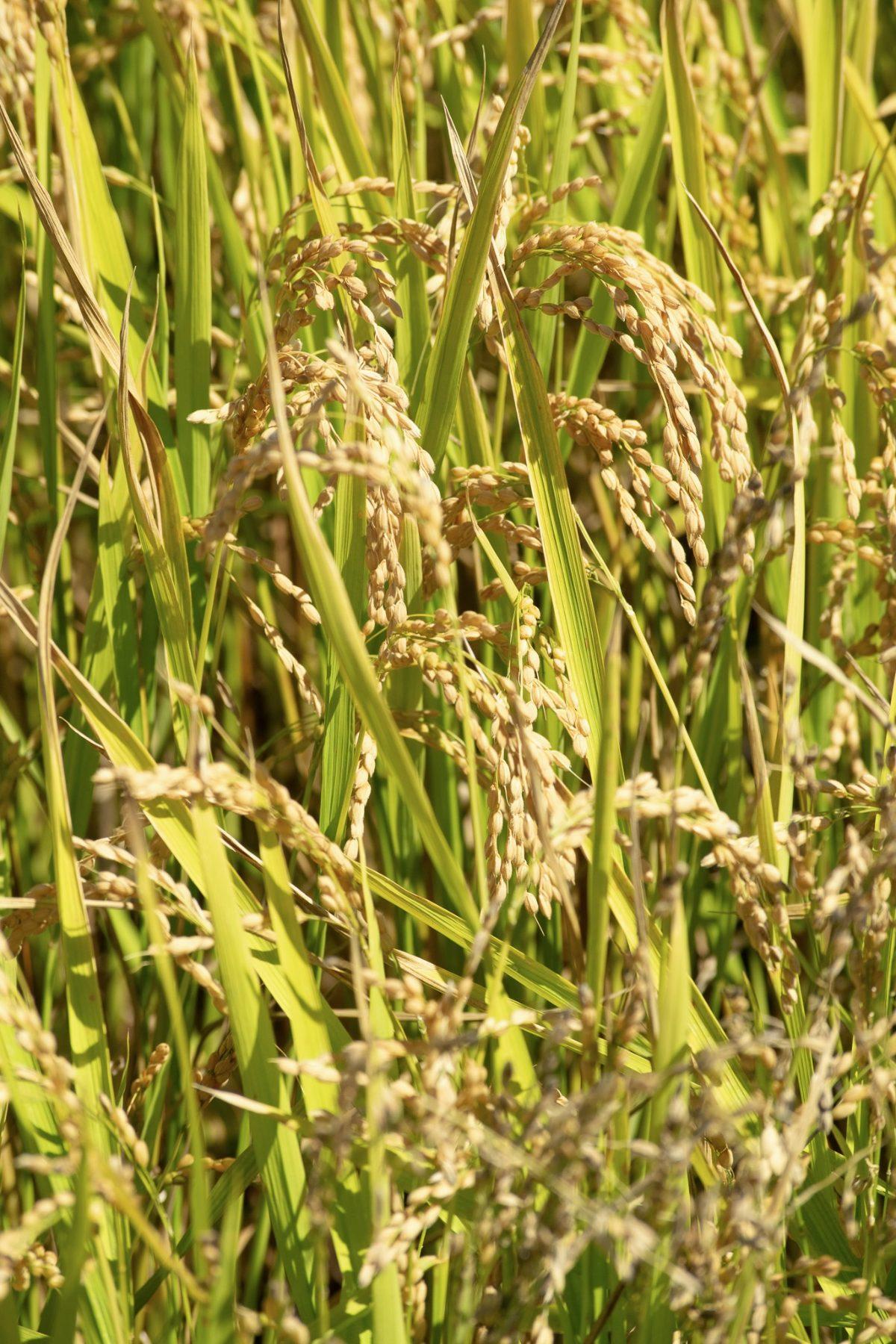
When the fields are flooded, Daisetsuzan with its lingering snow is reflected upside down. Through the viewfinder, catch the hour found only on windless mornings, when the whole town becomes a mirror.
02Summer · June–August
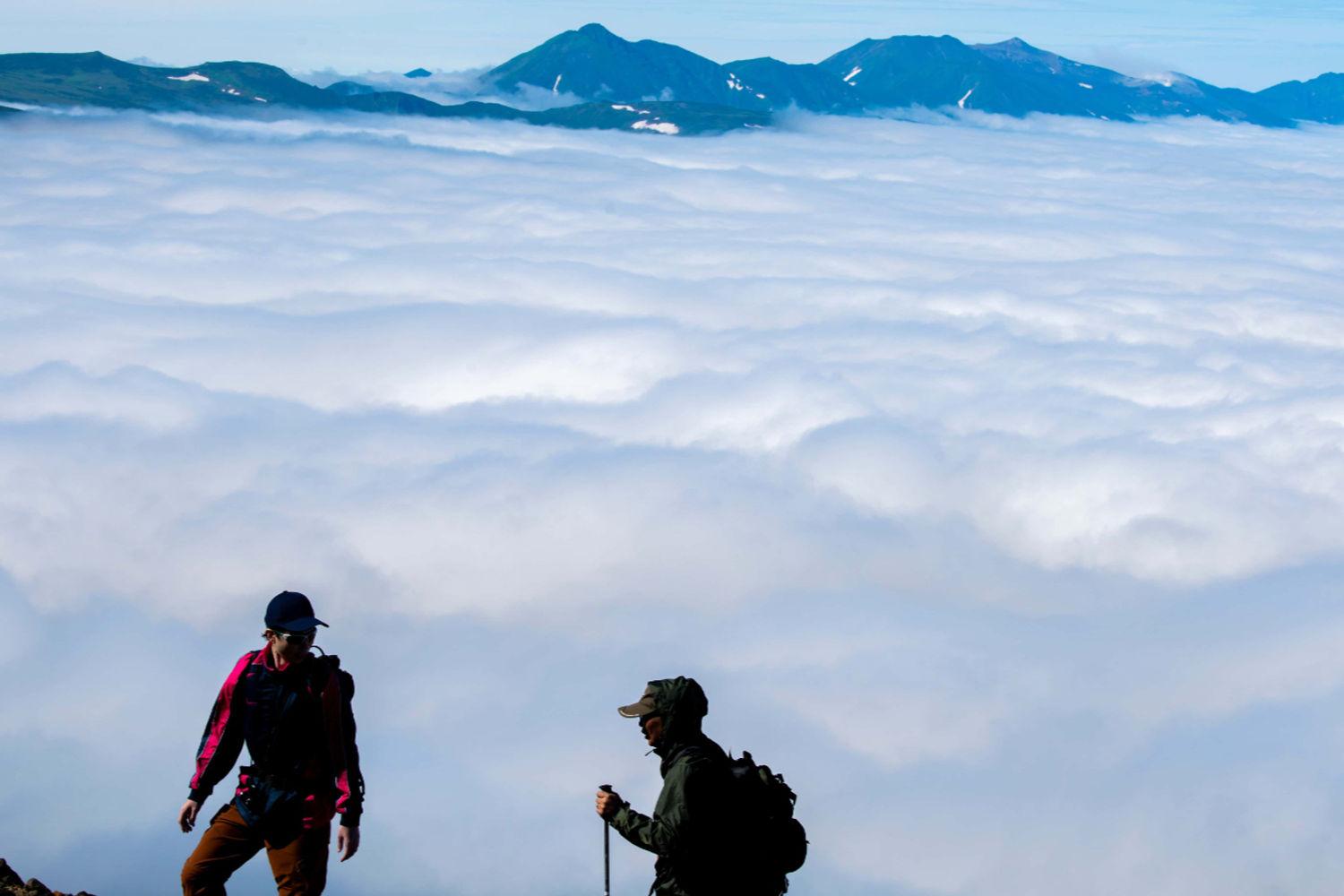
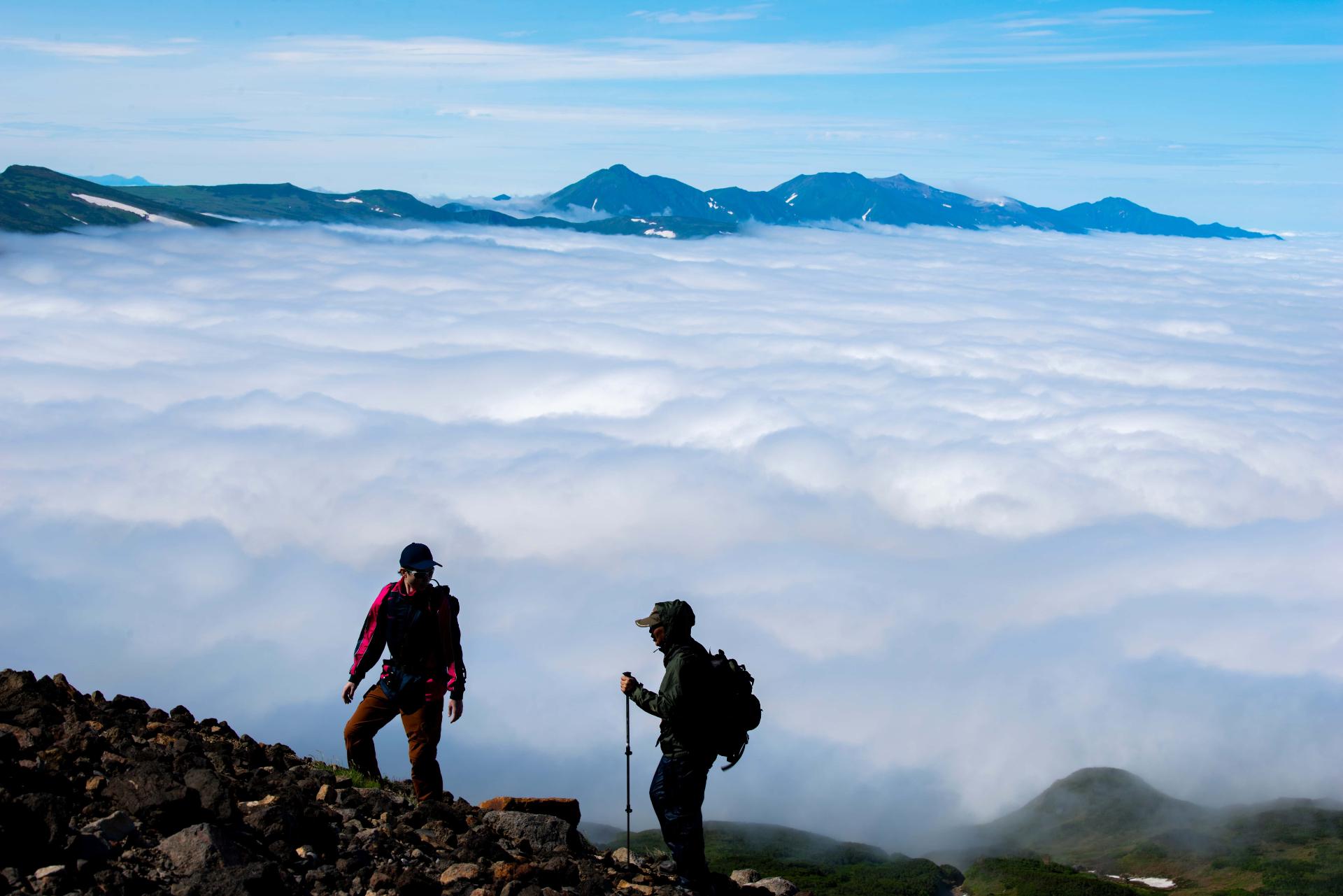
Walk the mountains in bloom

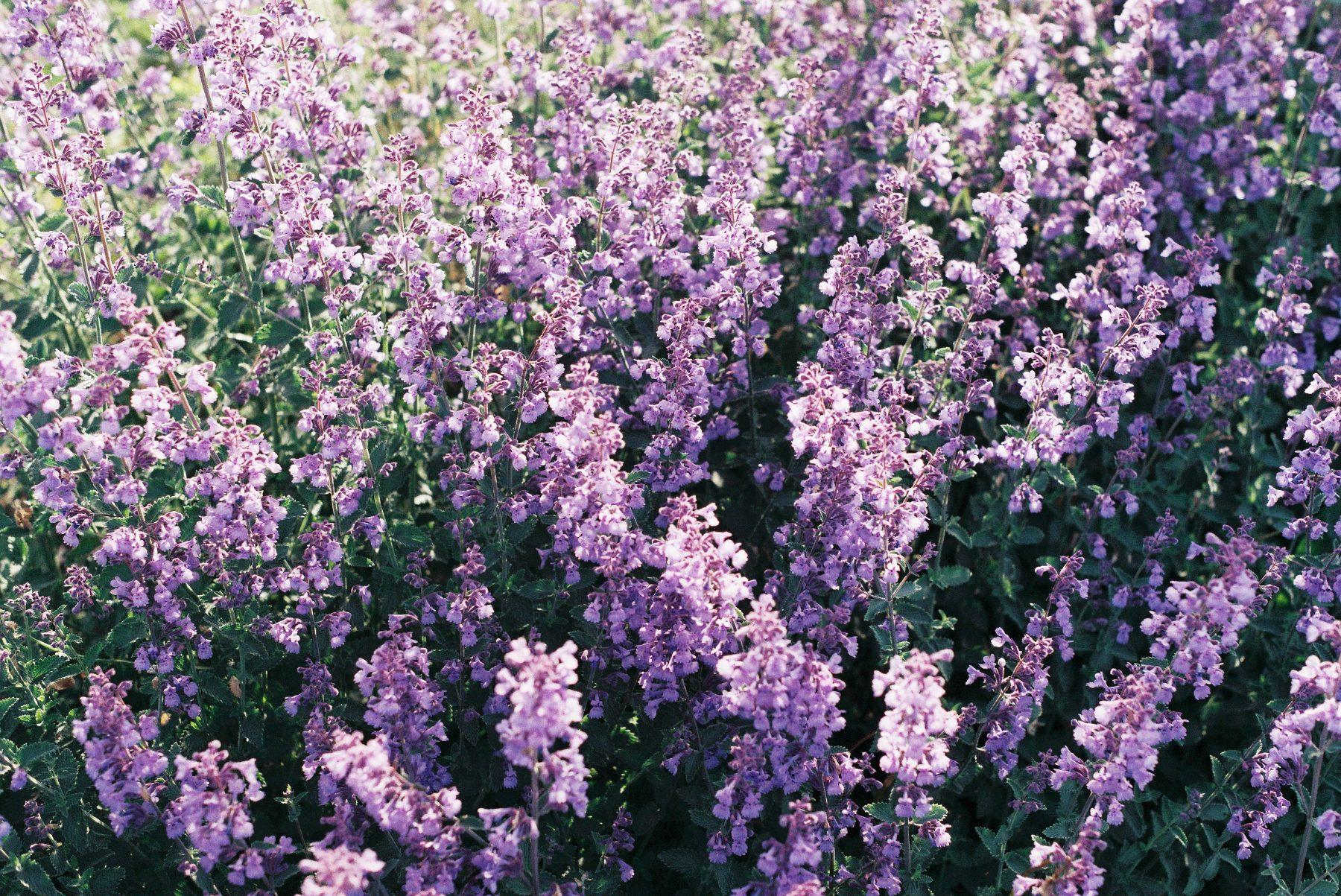
Right beside the snow patches, Chingruma and Ezo-kozakura bloom all at once. Among flowers hurrying through the short northern summer, walk at the pace of someone who knows the mountain.
03Autumn · September–October
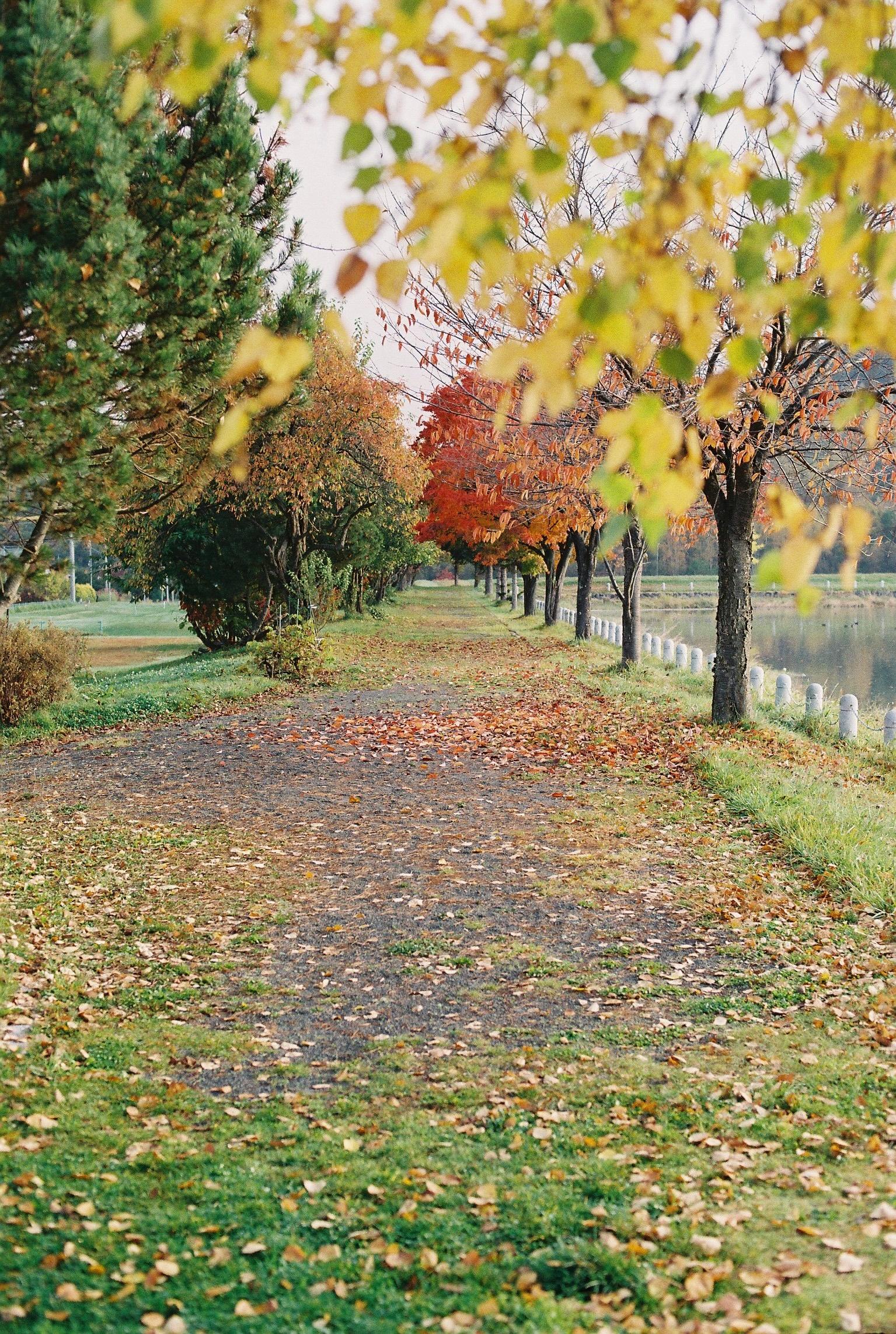
The earliest autumn colors in Japan

In September the color begins at the summit and takes a month to descend to the town. Follow Japan's earliest autumn from the mountain down to the village.
04Winter · December–March
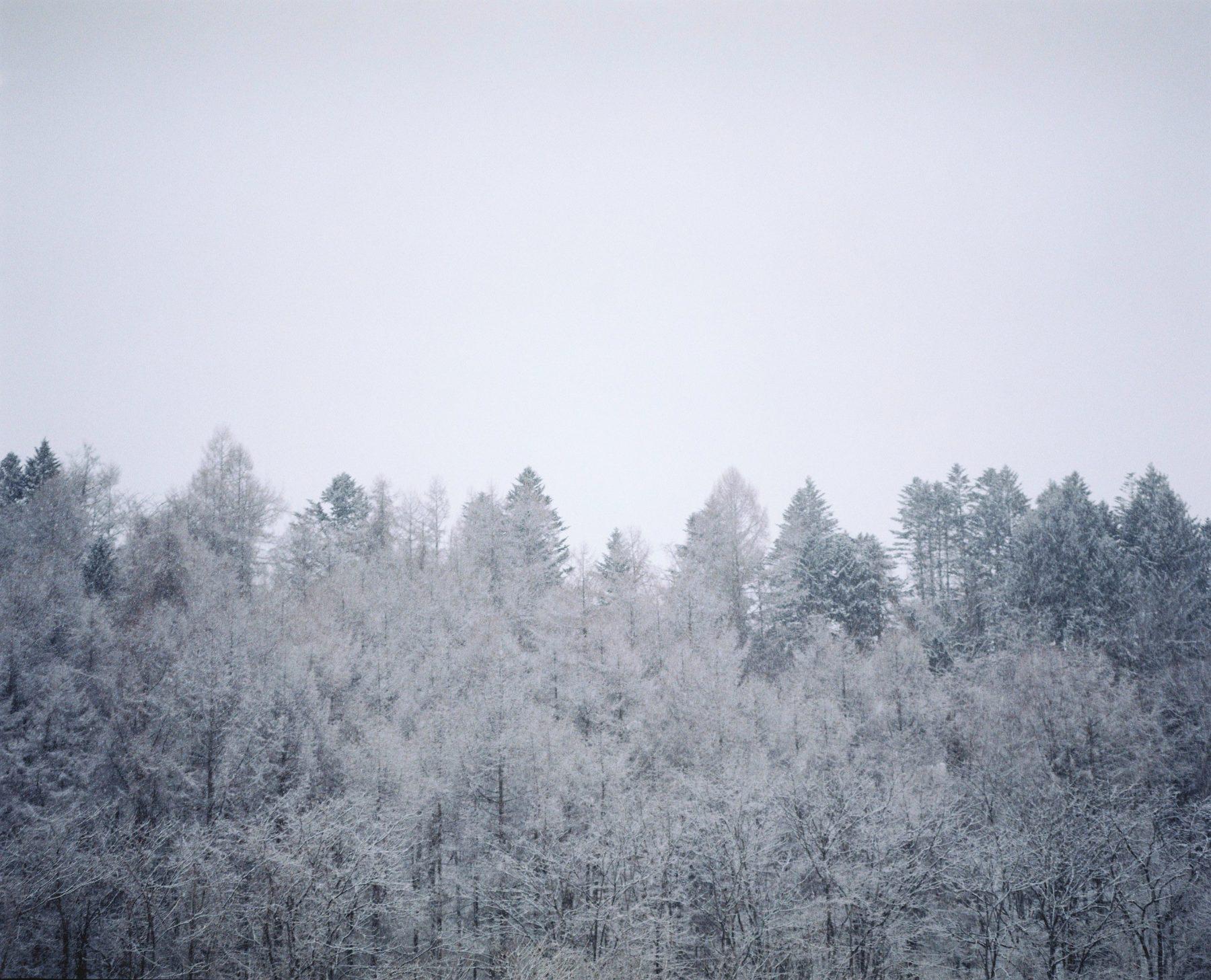
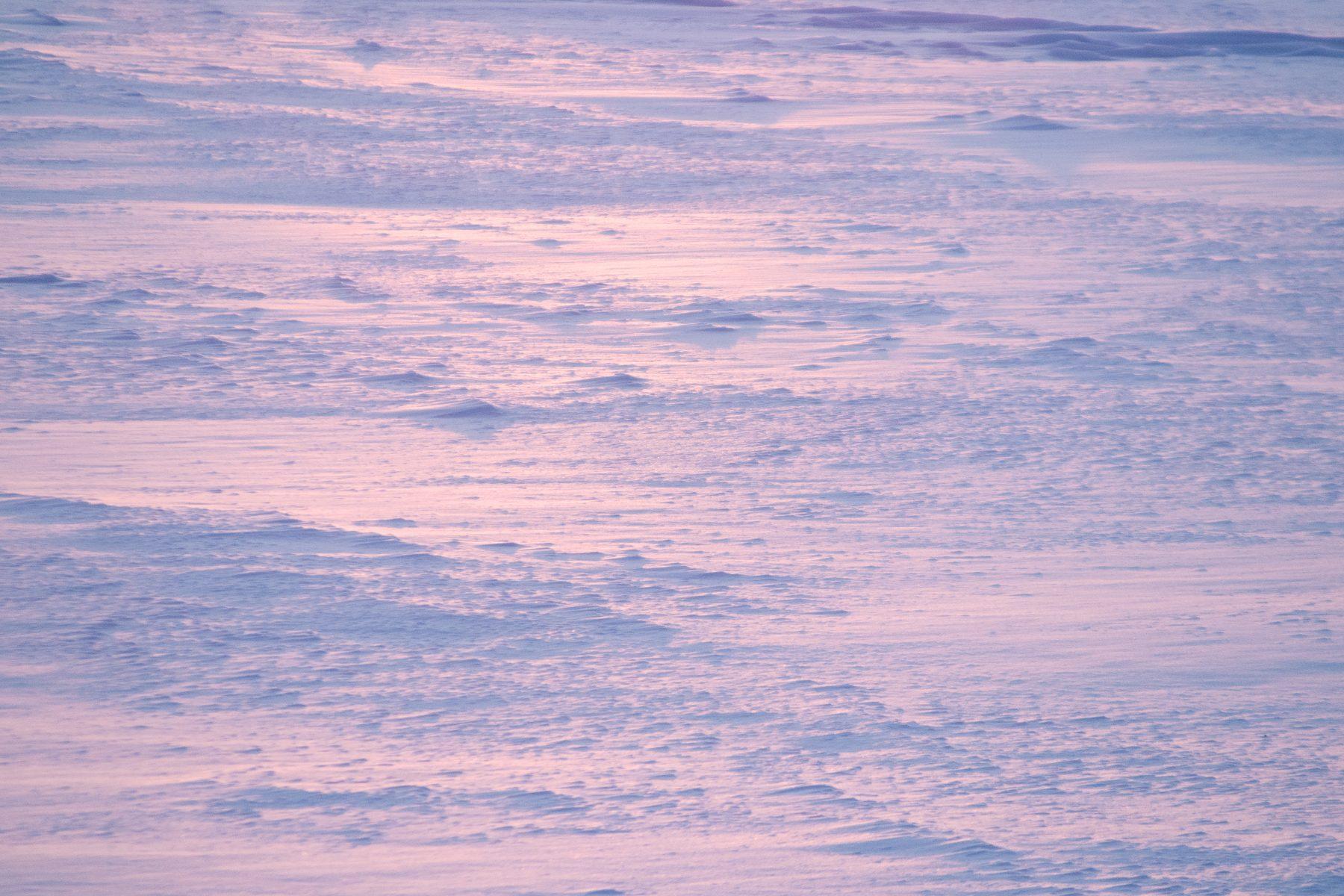
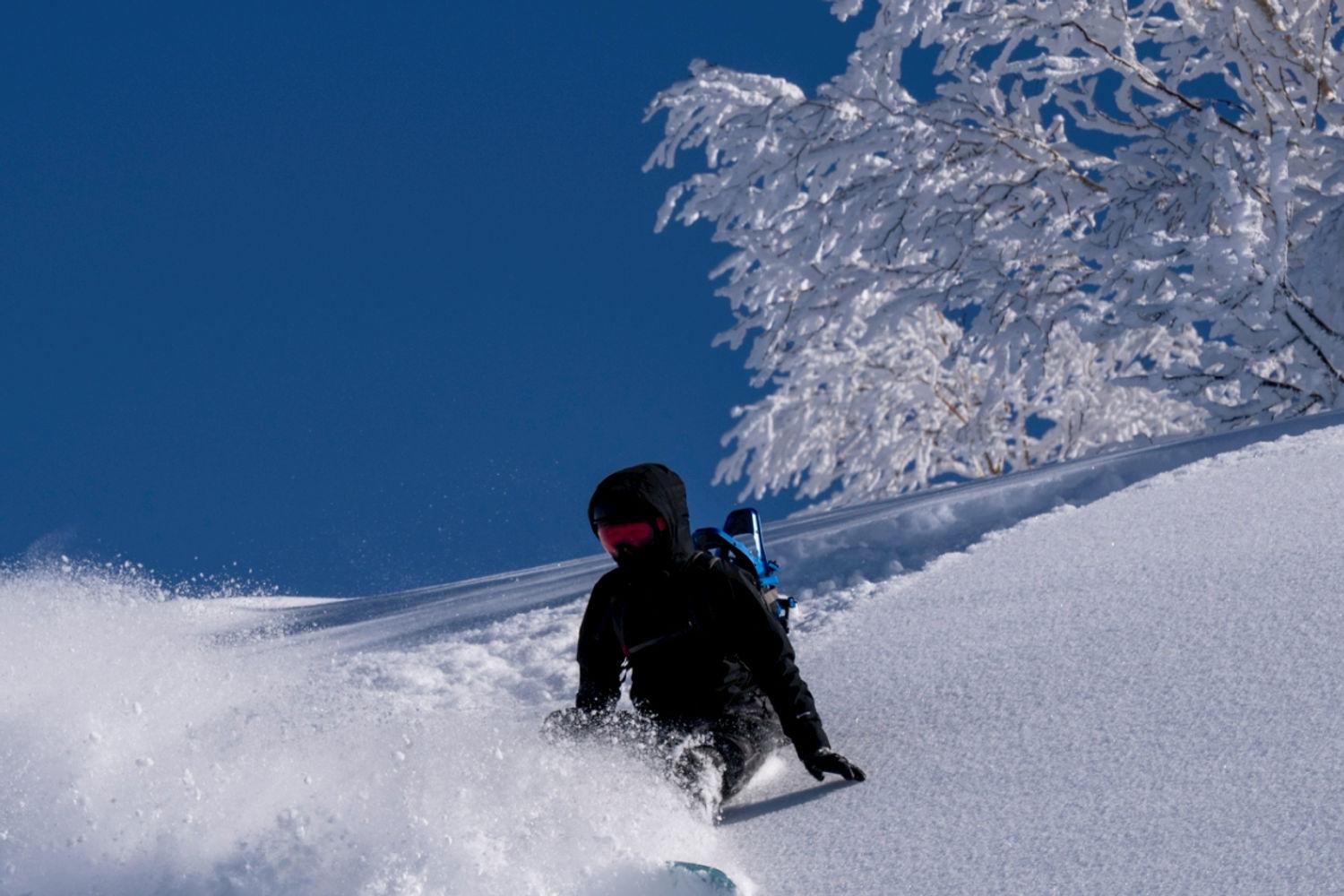
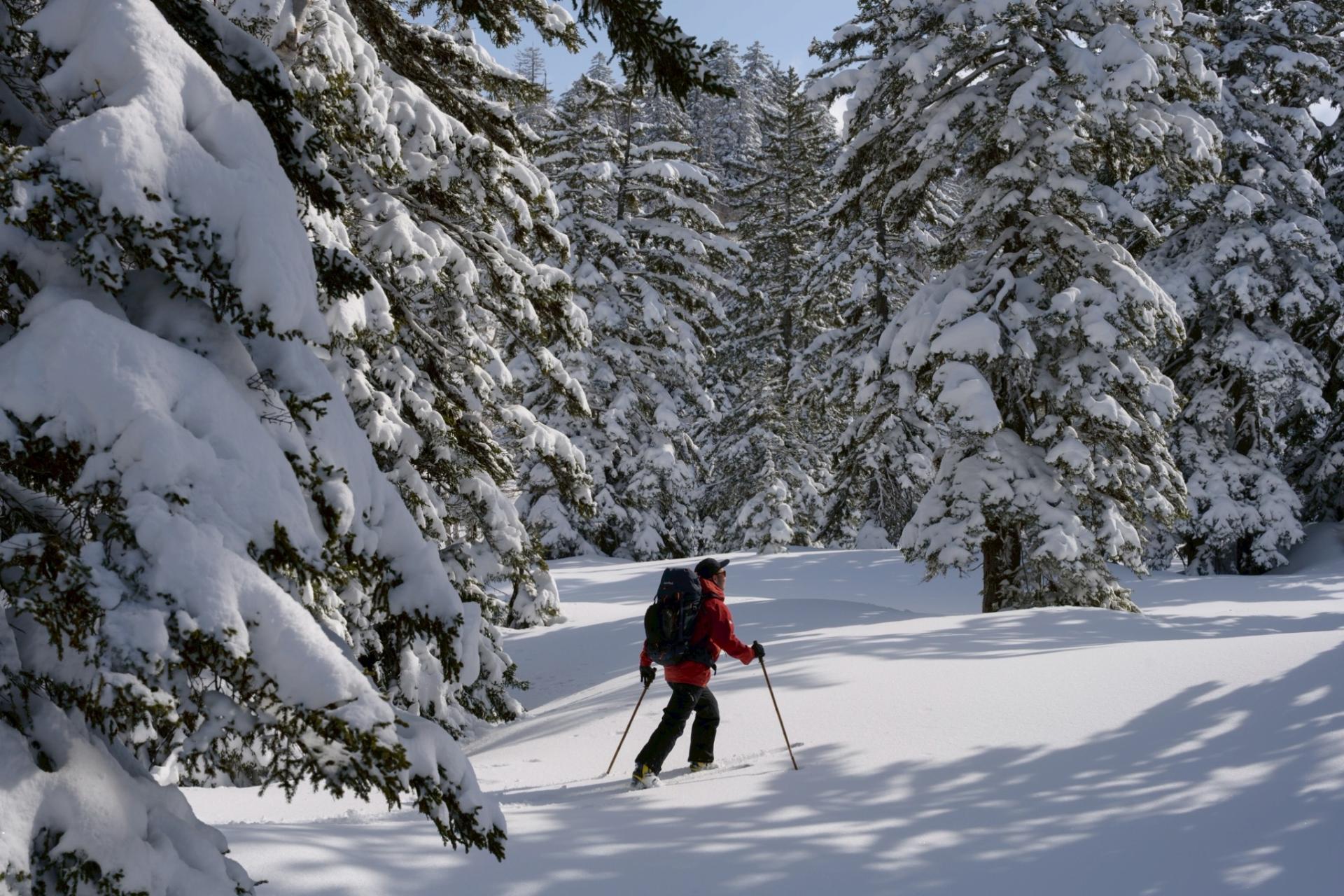
Take in some of the world's finest powder snow with your whole body

The dry snow will not pack, even when you squeeze it in your palm. On a slope with no tracks, draw your first line alongside someone who knows the mountain.
05All year round
One step beyond the everyday

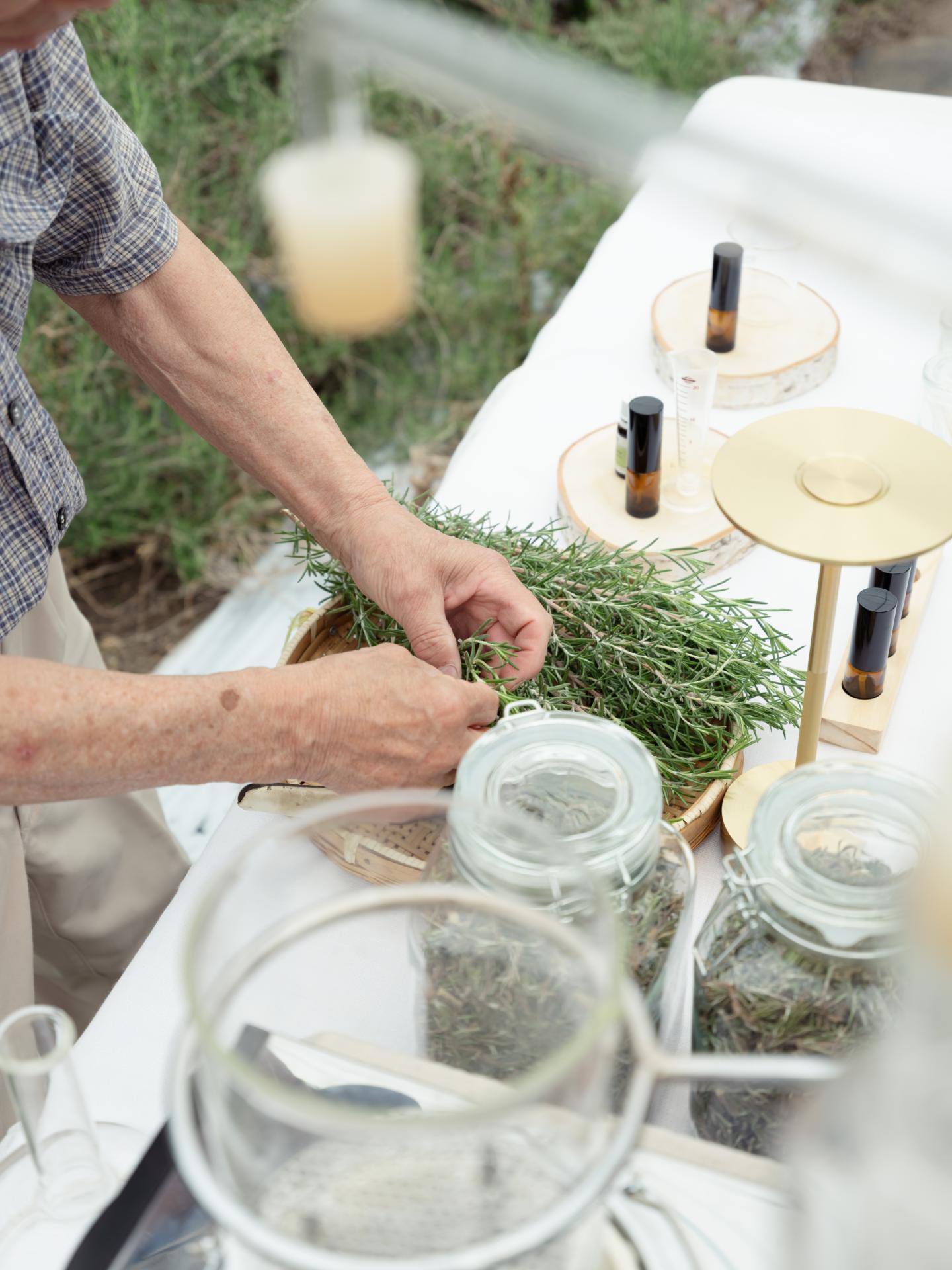
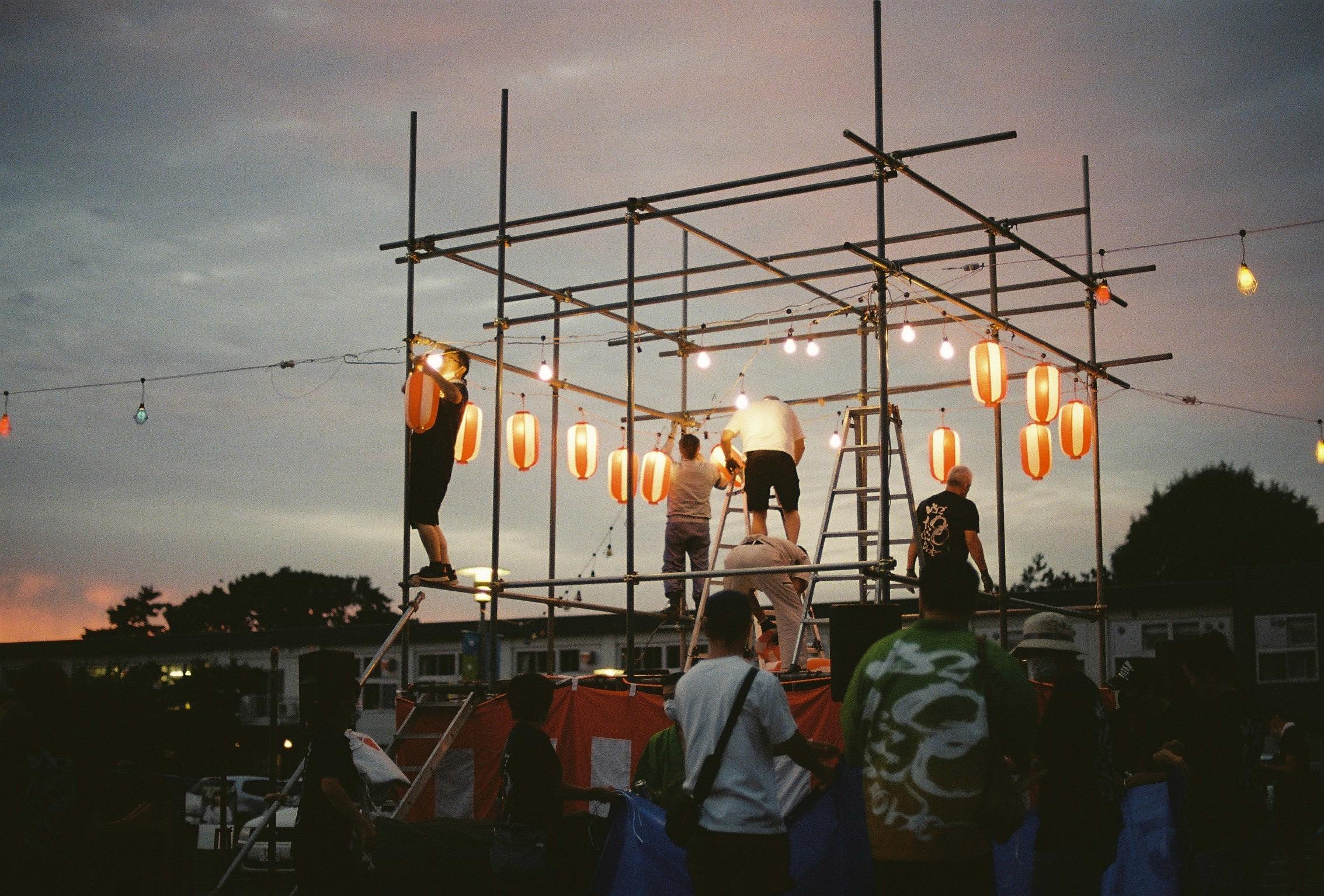
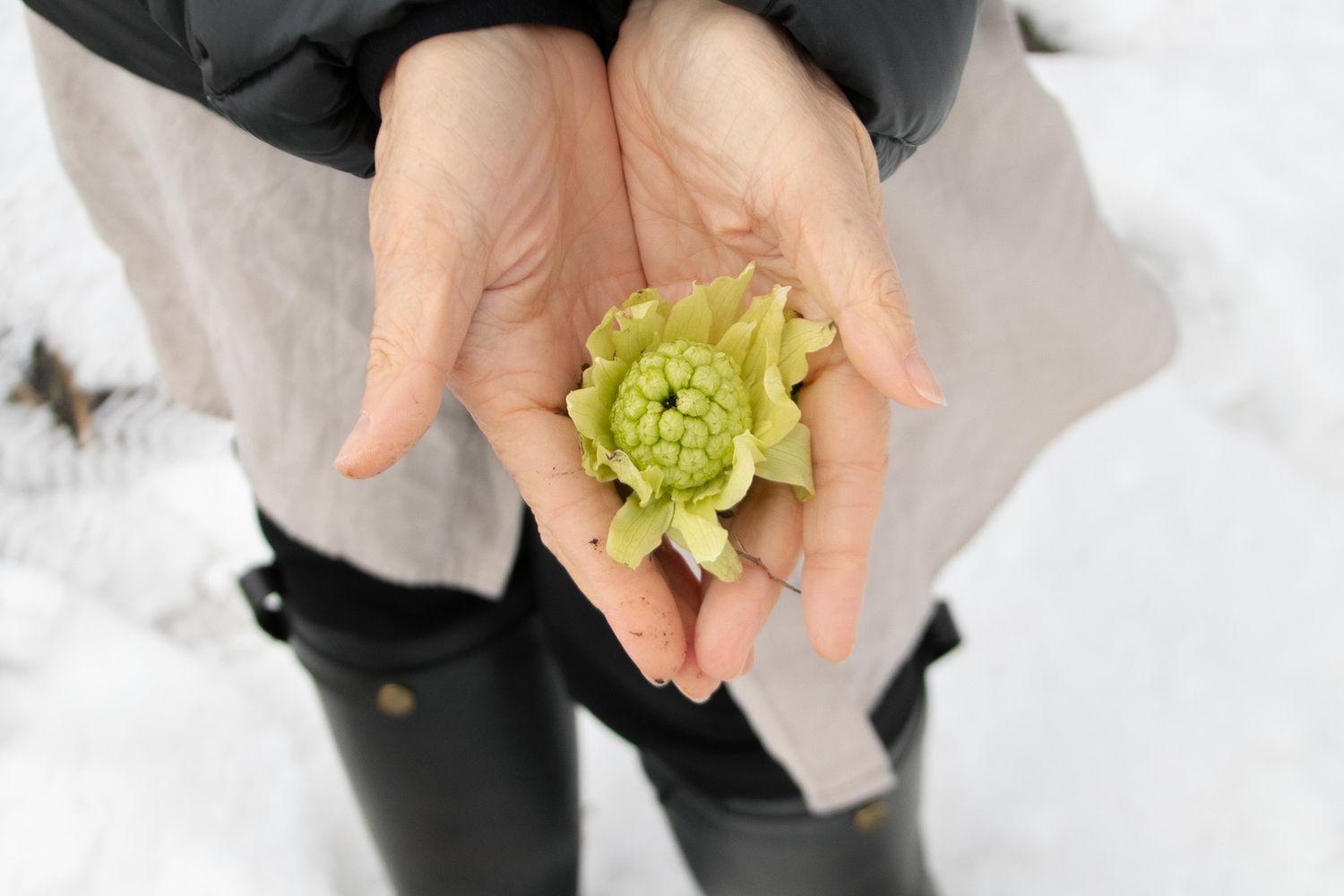
Turn off the road and you find the sound of spring water, the scent of distilling, and unfamiliar alleys. A little beyond daily life, there is a new view.
06All year round
Touch the life of the town

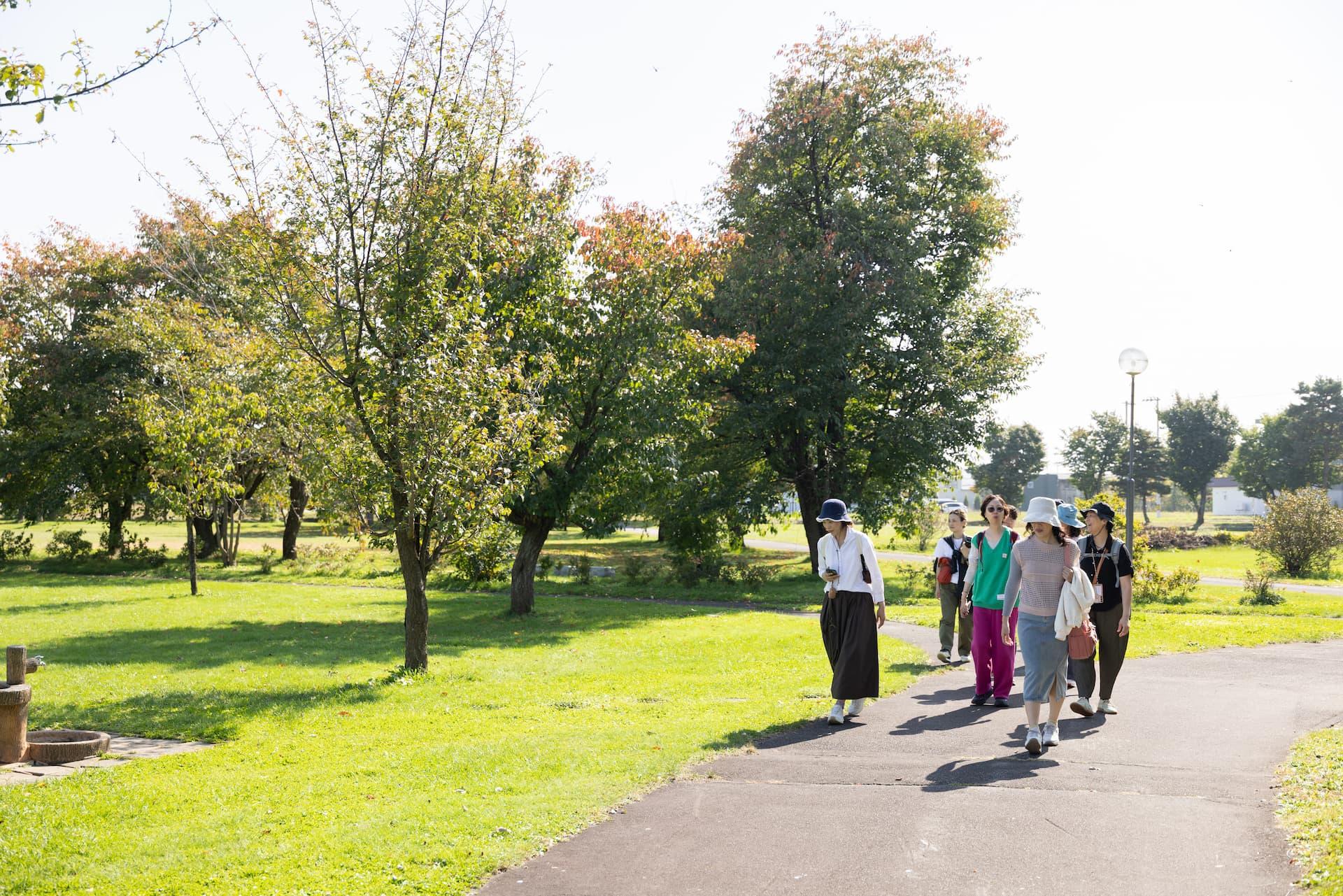
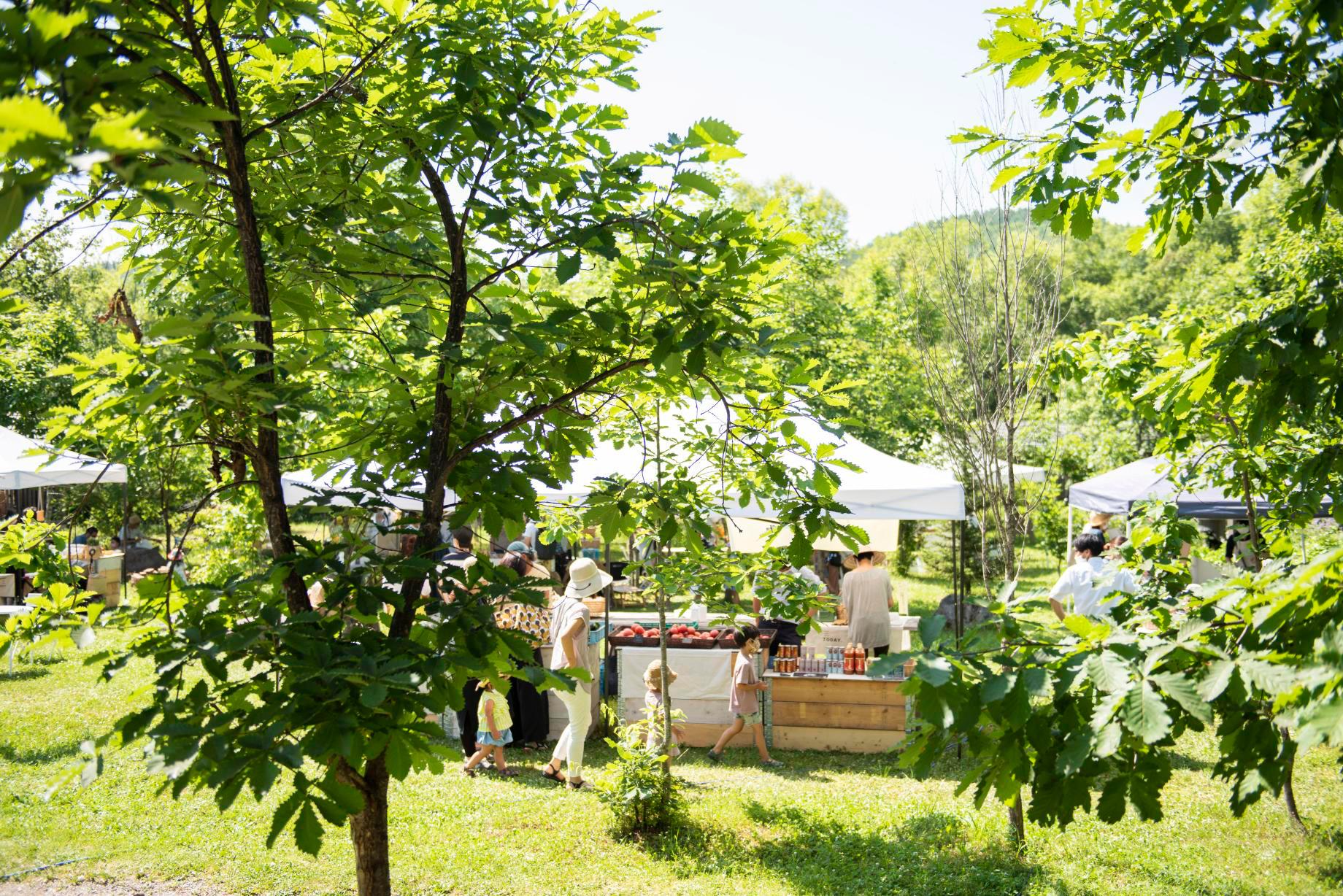
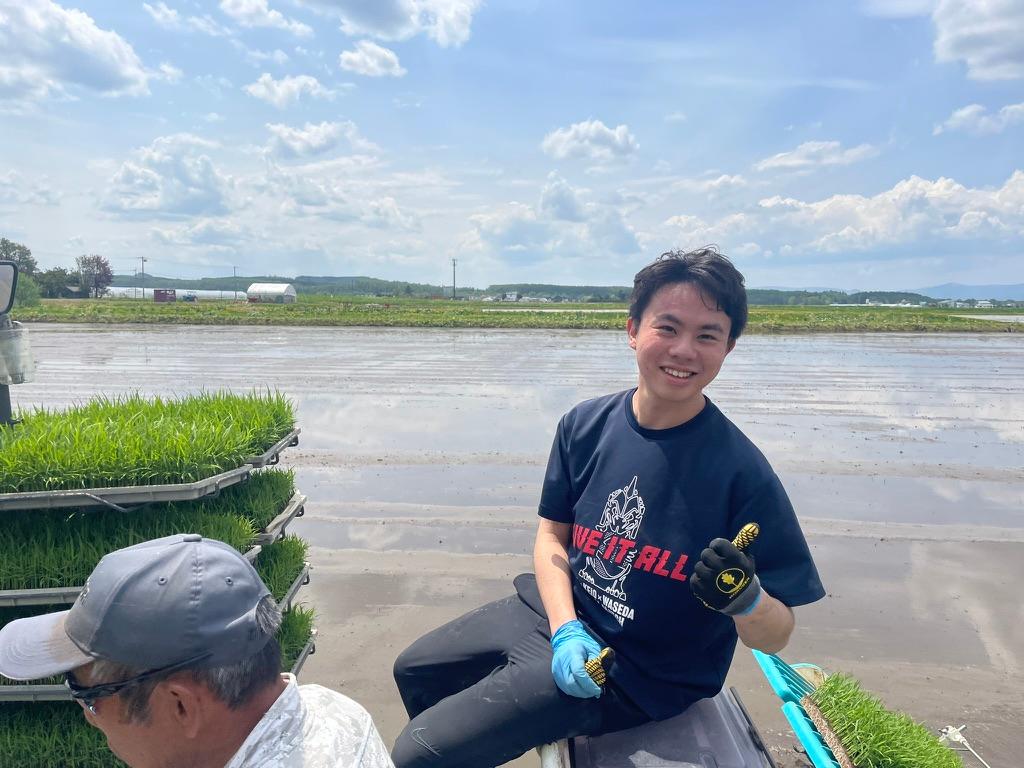
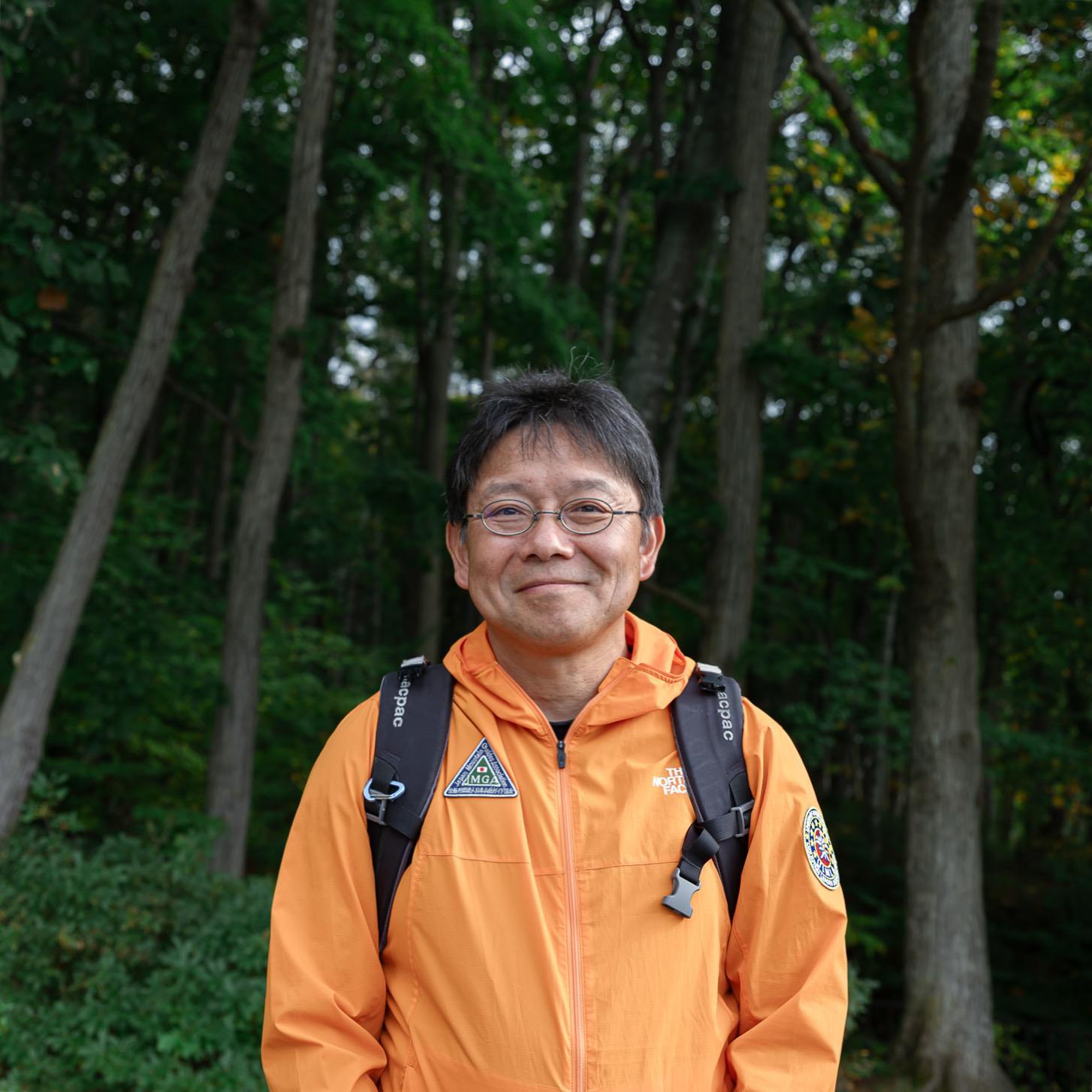
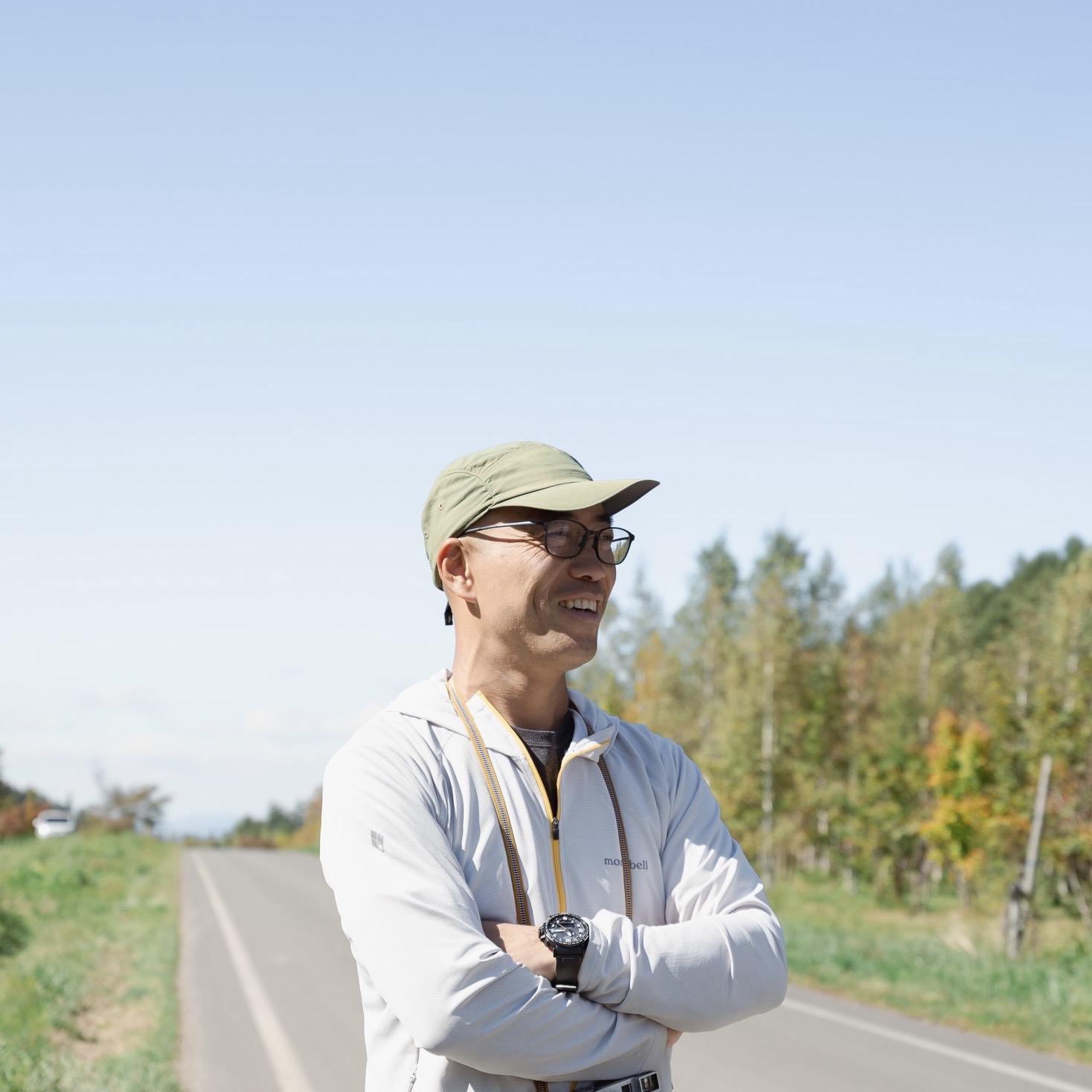
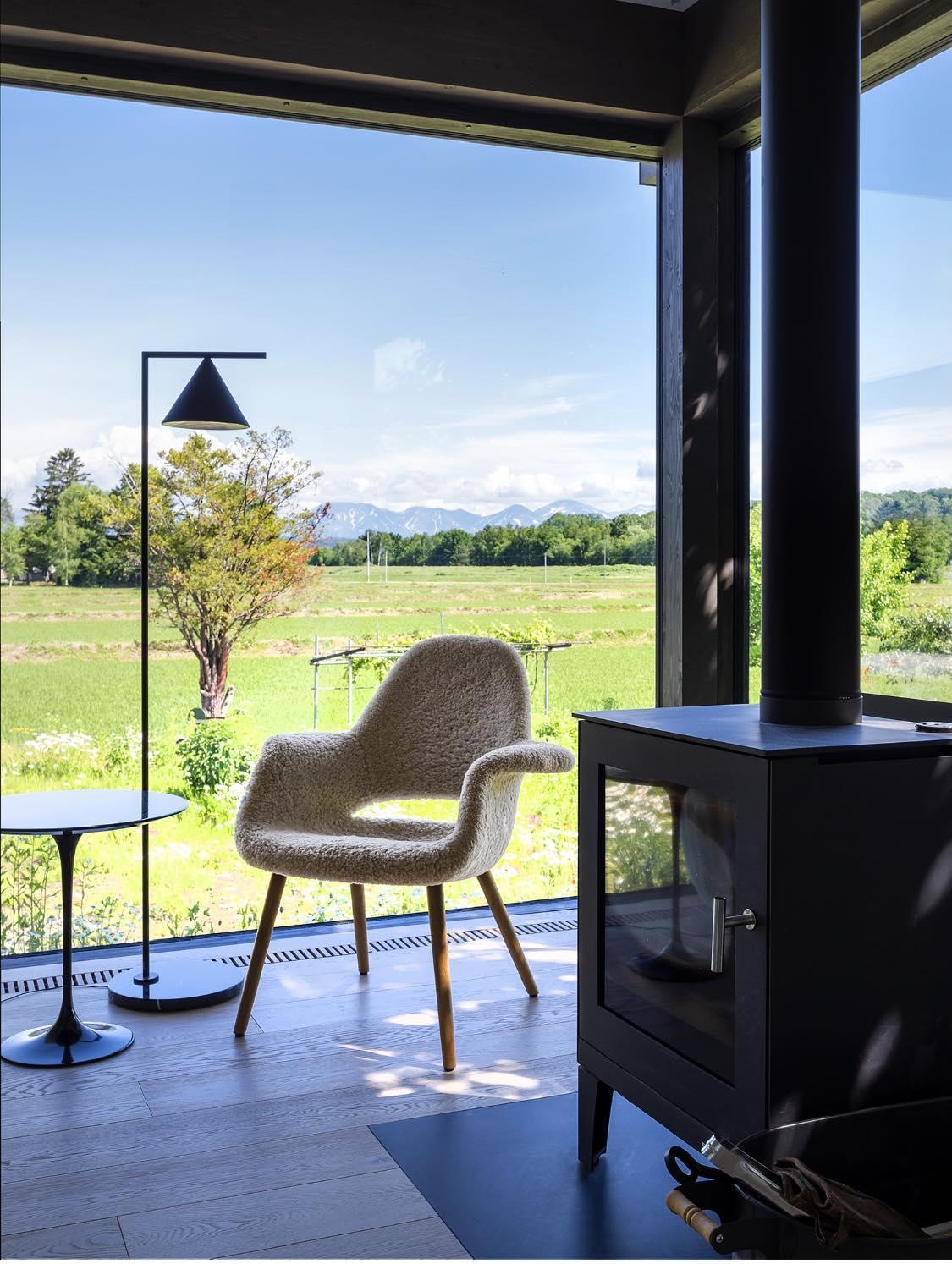
Furniture workshops, morning fields, a counter at night. Visit the workplaces and gathering places of the townspeople, and hear makers tell their stories in their own words.
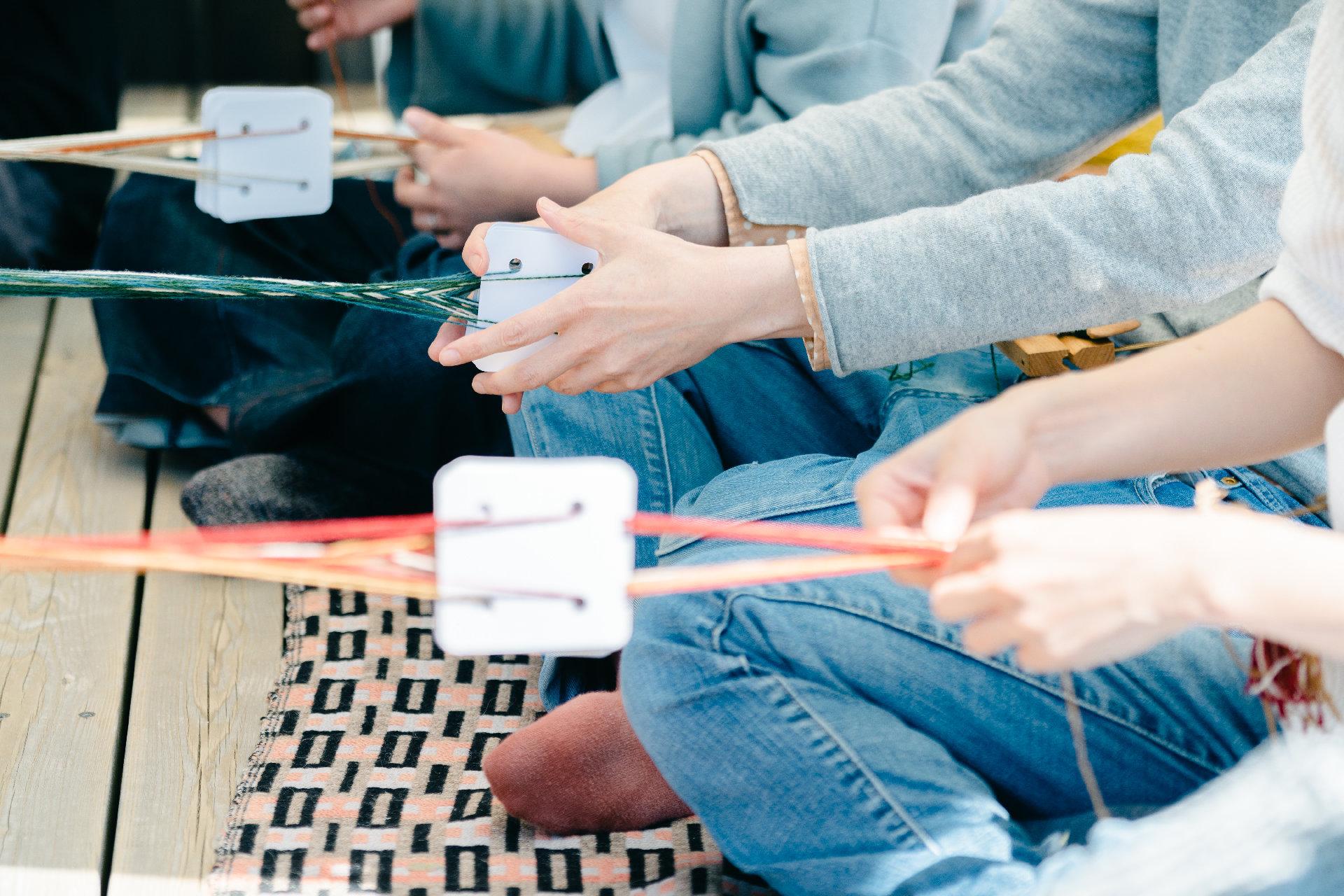
Turn the tap, and mountain water comes out. That alone makes the mornings in this town a little special.
ScenesDRAG →
03When to goWhen to go? — pick a month to see temperatures and seasons
Typical highs and lowsHigashikawa (Asahikawa climate averages)Tokyo (avg.)
Temperature and snowfall are based on the normal values (1991–2020) for Asahikawa (Asahikawa Local Meteorological Observatory). The urban area of Higashikawa is almost the same, but it is colder higher up, such as on Asahidake.
1MonthJANUARY
High / low-3° / -12°
Difference from Tokyo-13°
Snowfall125cm
What you can do this month
Powder on AsahidakeDiamond dustA snowy night at the snack
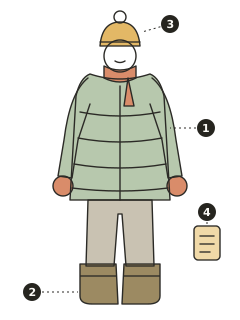
What to wearA thick down jacket and insulated boots. A hat, gloves and a neck warmer are essential.
04What to bringWhat to wear? — seasonal packing
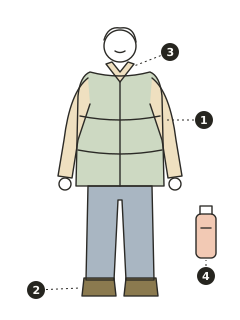
SpringSPRING · April–May
What to wear in Spring
1Thin down jacket2Waterproof shoes3Fleece4Sunscreen
Roads are muddy with snowmelt.
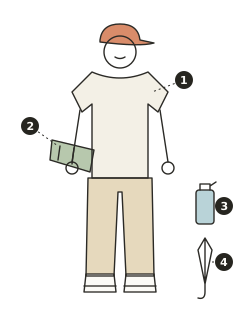
SummerSUMMER · June–August
What to wear in Summer
1Short and long sleeves2A light jacket3Insect repellent4Rain gear
Some nights are nearly 10 degrees cooler than in Tokyo.
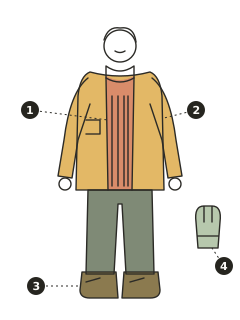
AutumnAUTUMN · September–October
What to wear in Autumn
1Sweater2Jacket3Comfortable walking shoes4Gloves (for the mountains)
Winter comes a step earlier in the mountains.
WinterWINTER · November–March
What to wear in Winter
1Down jacket2Insulated boots3Hat and gloves4Disposable heat packs
Non-slip footwear matters most.
05Getting thereHow to get there? — transport and things to know
ACCESS (approx.)Haneda → Asahikawa Airport about 1 hour 40 minutes, then about 10 minutes by car from the airportAccess details →
01A car is the most convenient way to get aroundIt is about 10 minutes by car from Asahikawa Airport. You can rent a car at the airport. In winter, studless tires and four-wheel drive are recommended; if you are not used to snowy roads, take a taxi or bus.
02Allow some margin for winter flightsHeavy snow can cause cancellations and delays. On your day of return, avoid packing in too much and choose a flight that is easy to change.
03Be prepared for bears in the mountains and on forest roadsWalk making noise with a bell or radio, and avoid early morning and evening. For your first time in the mountains, it is safer to go with a guide or a club session.
04Go out early at night, and book aheadMany restaurants close early. Aim for a snack night in the evening, or reserve dinner.
05Winter days are shortIn December it gets dark around 4 p.m. The trick is to put outdoor plans in the morning through midday.
06It is fine to come aloneMost club participants come alone. Curators step in between people, so even first-timers can mix in naturally.
NOW OPEN

Experience Higashikawa with the app.

Clubs, the snack bar and places to stay. Find what’s happening in Higashikawa on the app and website.